
How to Catch More Trout in Mountain Streams
Wild trout in small water reward stealth and presentation over fancy gear. Here's the field-tested approach that consistently outfishes the crowd.
By Alain Quiroga · April 5, 2026 · 5 min read
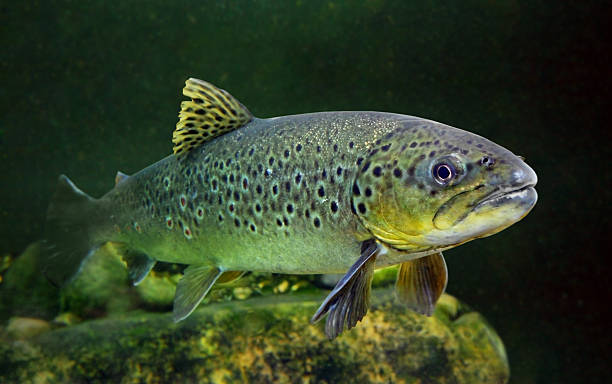
Mastering mountain stream trout fishing requires a blend of stealth, precise presentation, and a deep understanding of cold-water ecosystems. From the high-elevation creeks of the Rocky Mountains to the laurel-choked runs of the Smokies, pursuing wild trout is as much about woodcraft as it is about tackle. Successful anglers must adapt to the unique challenges of fast-moving pocket water and the skittish nature of native species like the Southern Appalachian Brook trout or the wily Brown trout.
Decoding the Architecture of Wild Trout Water
To find success in mountain streams, an angler must first learn to read the water’s current and structure. Trout are opportunistic predators that seek out 'lies' where they can minimize energy expenditure while maximizing food intake. Look for the 'seam'—the distinct line where fast-moving water meets a slower eddy. Trout often hover in the slower side of this seam, darting into the main current to intercept drifting nymphs or insects. In high-gradient streams, pocket water behind large boulders provides essential refuge from the current, offering a soft cushion of water where fish can rest.
Deep pools and undercut banks are also prime real estate, especially for larger Brown trout that prefer overhead cover. During the heat of the day, trout move toward the heads of pools where the water is more highly oxygenated by bubbles and splashing. Conversely, in the evening, they may move into the shallower 'tailouts' of pools to feed on emerging insects. Understanding these micro-habitats allows you to target your casts effectively rather than fishing blindly, ensuring your fly or lure spends the most time in high-probability zones.
Stealth Tactics and the Art of the Drift
Wild trout in clear mountain water are notoriously shy, making stealth your most valuable tool. Always move upstream, as trout naturally face into the current to catch food. By approaching from the rear, you stay in their blind spot and avoid sending silt or vibrations downstream that could alert them to your presence. Wear drab, natural-colored clothing like olive or tan to blend into the riparian canopy, and avoid 'lining' a fish—casting so the fly line lands directly over their head. Instead, aim to land only your leader or tippet near the trout.
The quality of your drift is the second pillar of success. A 'dead drift' means your fly moves at the exact speed of the surface bubbles, with no artificial drag from the fly line. To achieve this, use a technique called 'mending,' where you flip the belly of the line upstream or downstream immediately after the cast. In complex currents, high-sticking or using a 'Tenkara' style approach—keeping as much line off the water as possible—can prevent the current from pulling your fly unnaturally. A drag-free dry fly drift is often the only way to fool an educated wild trout.
Essential Gear and Fly Selection for High Elevation
Selecting the right gear for mountain streams often means downsizing for finesse. A 3-weight or 4-weight fly rod, typically 7.5 to 8.5 feet in length, offers the delicateness needed for small water. For those using spinning tackle, an ultralight setup with 2-pound or 4-pound test monofilament is essential. Brands like Orvis, Sage, and G. Loomis offer rods specifically tapered for these environments. When it comes to flies, carrying a variety of attractor patterns like the Royal Wulff or Elk Hair Caddis is effective because mountain trout have a short growing season and are often less selective than their spring-creek counterparts.
Matching the hatch is still critical, especially during the prolific hatches of Blue Winged Olives or Sulphurs in the spring. If fish aren't rising, switching to a nymph rig can be deadly. A 'dropper' setup—tying a small nymph like a size 18 Pheasant Tail or Gold-Ribbed Hare’s Ear 18 inches below a buoyant dry fly—allows you to fish two water columns simultaneously. For spin anglers, small 1/16 oz Mepps Aglia or Panther Martin spinners in gold or silver patterns mimic the small minnows and dace found in mountain environments.
Seasonal Shifts and Environmental Ethics
Trout behavior is inextricably linked to the seasonal cycle of mountain ecosystems. In early spring, runoff from melting snow can make many U.S. streams like the Gunnison in Colorado or the Davidson in North Carolina high and turbid. During this time, larger, dark-colored nymphs and streamers like the Woolly Bugger are more effective, as trout stick to the bottom and visual range is limited. As the water clears and warms into June and July, the 'dry fly' season peaks, and anglers can expect aggressive surface takes during the morning and evening hours.
Fall brings a different challenge as water levels often drop to their lowest of the year. This is a critical time for Brook and Brown trout as they prepare for the autumn spawn. During the spawn, it is vital for anglers to avoid stepping on 'redds'—the gravel nests where trout deposit their eggs. These are often identifiable as clean, bright patches of gravel. Many experts recommend avoiding fishing for actively spawning fish to ensure the health of the next generation of wild trout, focusing instead on feeding fish in the deeper wintering holes.
Legendary Landscapes and Fish Stewardship
The United States offers world-class mountain stream fishing, but each region has its own character. In the East, the Great Smoky Mountains National Park features over 2,900 miles of fishable trout water, where the challenge is navigating tight rhodendron tunnels. In the West, the high-altitude streams of the Sierra Nevada or the Rockies offer wide-open vistas and larger average fish sizes. Locations like the Madison River in Montana or the Fryinpan in Colorado are legendary, but smaller, unnamed tributaries often hold the purest strains of wild Cutthroat or Brook trout.
Proper fish handling is the final component of an expert angler's skillset. Using barbless hooks significantly reduces injury and allows for a quicker release. Always wet your hands before touching a trout to protect their delicate slime coat, which prevents infection. In mountain streams where fish may only grow an inch or two per year, every individual is precious. Keeping the fish in the water while removing the hook ensures that these wild populations remain vibrant for future generations to enjoy.
Frequently asked questions
What is the ideal water temperature for catching mountain trout?
The ideal water temperature for active trout feeding is between 52°F and 62°F. When temperatures exceed 68°F, trout metabolism slows and oxygen levels drop, making it ethically responsible to stop fishing to prevent fish mortality. Conversely, in winter, trout become lethargic when water dips below 40°F, requiring slow, deep presentations.
What rod and line weight is best for small mountain streams?
A 7.5 to 8.5-foot fly rod rated for a 3-weight or 4-weight line is considered the gold standard. In the tight brush of the Appalachian or Blue Ridge Mountains, a shorter rod allows for easier casting, while the lighter line weight ensures delicate presentations that won't spook wild fish in glassy, shallow pools.
How do I distinguish between Brook, Brown, and Rainbow trout?
In the U.S., trout species are primarily distinguished by their markings: Brook trout (Salvelinus fontinalis) have light spots on a dark background and white-edged fins; Brown trout (Salmo trutta) feature dark spots with pale halos and yellow-brown bellies; and Rainbow trout (Oncorhynchus mykiss) are recognized by a vibrant pinkish-red lateral stripe and uniform black spots.
Why is the 'approach' so important in mountain stream fishing?
The "approach" refers to stalking upstream to keep the angler behind the trout's vision cone. Because mountain water is exceptionally clear, trout are highly sensitive to movement and shadows. Effective anglers stay low, move slowly, and avoid splashing, often casting from a kneeling position to remain undetected by these wary wild predators.