Fly Fishing in Montana: A Complete Beginner's Guide
Montana is the homeland of American fly fishing. Here's how to plan a first trip that doesn't go sideways.
By Alain Quiroga · February 1, 2026 · 5 min read
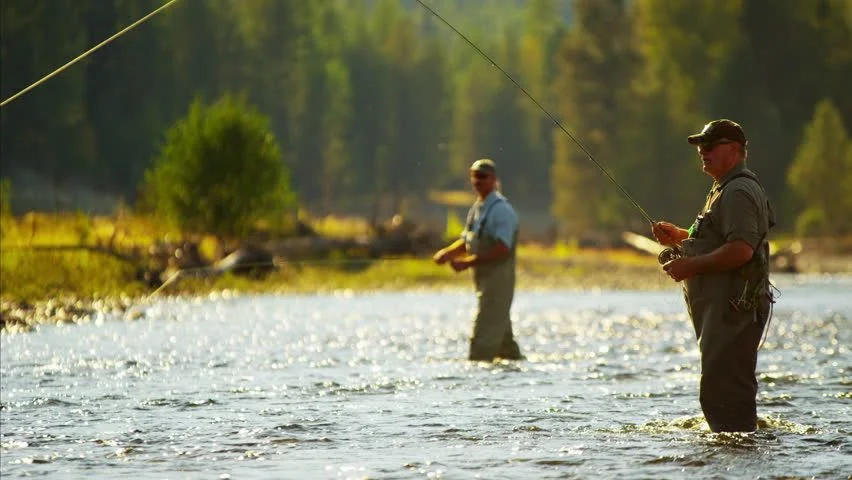
Montana is widely considered the pinnacle of fly fishing in the United States, offering over 15,000 miles of fishable cold-water streams and legendary rivers. For the beginner, the sheer scale of the Treasure State can be intimidating, but the rewards are unmatched with wild populations of Rainbow, Brown, and Westslope Cutthroat trout. This guide provides the technical foundation and local knowledge necessary to navigate Montana’s diverse watersheds, ensuring your first cast into the Big Sky Country is both productive and memorable.
Understanding Montana's Fishing Seasons and Hydrology
The timing of your Montana fly fishing trip is dictated by the annual snowpack melt, known as 'runoff.' Generally, the prime window begins in late June or early July after the high-water flows subside and rivers clear. This period coincides with the famous Salmonfly hatch on the Madison and Yellowstone rivers, where massive stoneflies bring the largest trout to the surface. During mid-summer, water temperatures typically hover between 55 and 65 degrees Fahrenheit, creating the ideal metabolism for active feeding.
As fall approaches in September and October, the crowds thin and the Brown trout begin their pre-spawn aggressive behavior. This is arguably the best time for streamers, as fish strike out of territorial instinct. Conversely, spring fishing in April and May can be excellent before runoff starts, particularly for those targeting the Mother’s Day Caddis hatch. Always check the USGS streamflow gauges before heading out; sudden spikes in cubic feet per second (cfs) can lead to 'blown out' conditions that make fishing dangerous and unproductive.
Primary Watersheds: The Madison and Missouri Rivers
The Madison River is the quintessential Montana fly fishing destination, flowing from Yellowstone National Park toward Three Forks. For beginners, the 'Upper Madison' between Quake Lake and Ennis offers a consistent gradient often described as a fifty-mile riffle. This stretch is dominated by rocky pockets and seams that hold Rainbow and Brown trout. Successful anglers here often utilize a 'hopper-dropper' rig, using a buoyant foam terrestrial fly on top with a weighted nymph tied 24-30 inches below to target multiple water columns simultaneously.
Alternatively, the Missouri River near Craig, Montana, acts as a massive spring creek due to the regulating effects of Holter Dam. This tailwater environment maintains stable temperatures and incredible insect biomass. While the 'Mighty Mo' is famous for its picky 'technical' trout that require long, fine leaders (5X or 6X fluorocarbon), it also boasts some of the highest fish-per-mile counts in the state. Beginners can find success here by nymphing deep runs with scuds, sowbugs, or small midge patterns like the Zebra Midge.
Essential Fly Patterns and Targeted Species
Selecting the right fly is a science in Montana. During the summer months, terrestrial patterns are king. Large foam flies like the Chubby Chernobly or Dave’s Hopper are essentials because they are highly visible to the angler and provide a large calorie reward for the fish. For subsurface tactics, the 'Prince Nymph' and 'Hare’s Ear' are versatile patterns that mimic a variety of aquatic larvae found in the gravel beds of the Gallatin or Bitterroot rivers. These should be fished under a strike indicator to detect the subtle pauses in the line.
When the hatches are active, matching the 'size and profile' is more important than an exact color match. During a Blue Winged Olive (BWO) hatch in the spring or fall, a size 18 Parachute Adams is a world-class producer. If you find yourself in the middle of a Spruce Moth outbreak on the Blackfoot River, a tan Elk Hair Caddis will often do the trick. For streamers, the 'Woolly Bugger' in olive or black remains the most effective pattern for beginners to swing through deep pools to entice larger, predatory trout.
Technical Skills: Mending and Wading Safely
Success in Montana often comes down to mastering the 'dead drift.' Because mountain rivers have complex currents, your fly line will often be pulled in different directions, causing your fly to 'drag' unnaturally across the surface. To counter this, beginners must learn the 'mending' technique—repositioning the fly line upstream immediately after the cast without moving the fly. Using a 'reach cast' can also help by laying the line across the current at an angle that delays the onset of drag, giving the trout a natural presentation.
Wading safety is another critical technical skill in high-gradient Montana streams. Always wade with a 'tripod' stance, keeping two points of contact with the riverbed at all times. In rivers like the Yellowstone, where the bottom is comprised of slick, bowling-ball-sized rocks, felt-soled wading boots or aluminum-cleated boots are highly recommended. Beginners should also practice their 'roll cast,' which allows you to get the fly back into the water without a backcast, a vital skill when fishing the brush-choked banks of smaller creeks like the Boulder or Shields rivers.
Stepping Up: Ethics, Law, and Conservation
Ethical angling is deeply rooted in Montana's culture. Most of the state's premier trout waters are 'Catch and Release' or have strict slot limits to protect the breeding population. When handling fish, always wet your hands first to avoid removing the trout's protective slime coating, which guards against infections like Saprolegnia fungus. Minimize 'air time' by keeping the fish in the water while removing the hook, preferably using hemostats or pliers to pop out barbless hooks quickly. This ensures the wild rainbows and browns can continue to thrive for future generations.
Furthermore, Montana’s Stream Access Law is one of the most liberal in the U.S., allowing anglers to fish any navigable river as long as they stay below the ordinary high-water mark. However, it is vital to respect private property by using designated fishing access sites (FAS) to enter and exit the water. During the heat of August, stay informed about 'Hoot Owl' restrictions. These are mandatory closures enacted by Montana Fish, Wildlife & Parks that prohibit fishing after 2:00 PM when water temperatures exceed 73 degrees Fahrenheit, protecting trout from heat-induced mortality.
Frequently asked questions
What licenses are required for fly fishing in Montana?
Montana residents pay significantly less for licenses than non-residents. For visitors, a Conservation License, a Base Hunting License, and an AIS Prevention Pass are required in addition to the actual fishing license. You can purchase these for individual days or an entire season via the Montana Fish, Wildlife & Parks website or local fly shops.
What are the best rivers for beginners in Montana?
The "Big Three" for fly fishing Montana are the Madison, Yellowstone, and Missouri Rivers. The Madison is famous for its "fifty-mile riffle," the Yellowstone is the longest undammed river in the lower 48, and the Missouri offers incredible technical tailwater fishing with high fish counts per mile.
What gear is essential for a Montana fly fishing trip?
A 9-foot, 5-weight graphite fly rod is the industry standard for Montana trout. It provides enough backbone to fight the wind and cast heavy nymph rigs while maintaining the delicacy required for dry fly presentations. Pair it with a high-quality disc-drag reel and weight-forward floating line.
Should I hire a guide for my first Montana trip?
While not mandatory, hiring a Montana fly fishing guide is highly recommended for beginners. Guides provide access to private boat launches, expert rowing on drift boats, and local knowledge of "hatch cycles" that change daily. This significantly flattens the learning curve on complex western river systems.