10 Common Fishing Mistakes Beginners Make
From overloaded tackle boxes to ignoring water temperature, these are the rookie mistakes that quietly sabotage every trip.
By Alain Quiroga · March 30, 2026 · 5 min read
Stepping onto the banks of a legendary fishery like the Susquehanna River or casting into the central Florida chain of lakes is an exhilarating experience for any new angler. However, the transition from casual observer to successful fisherman involves navigating a steep learning curve filled with technical nuances. By identifying and correcting common fishing mistakes beginners make, you can significantly increase your catch rate and enjoy the diverse aquatic resources found across the United States.
Ignoring Line Choice and Improper Knot Tying
Many novices underestimate the importance of matching their line weight to the environment. For example, using a heavy 20-pound fluorocarbon line while targeting finicky Rainbow Trout in clear Western tailwaters like the Fryingpan River will often result in a 'skunked' outing. Conversely, using a light 4-pound monofilament in heavy cover for Largemouth Bass in Lake Guntersville will likely lead to snapped lines. Choosing the right diameter is crucial for lure presentation and ensuring the fish do not detect the tether.
Another common technical error is the failure to properly lubricate and tie knots. A standard Improved Clinch knot or a Palomar knot can fail if the line is not moistened with water or saliva before tightening, as friction heat weakens the material. This is particularly true with fluorocarbon, which has a lower heat tolerance than nylon monofilament. Mastering these two knots and testing them under tension before every cast prevents losing a potential trophy and leaving plastic lures in the environment.
Improper Lure Size and Retrieval Speed
A frequent mistake is the 'one-size-fits-all' approach to lure selection. Beginners often use oversized lures, thinking bigger bait equals bigger fish. However, during the 'dog days' of summer in the Midwest, Bass often feed on tiny young-of-the-year shad. In these conditions, a massive 10-inch worm may go untouched, while a small 3-inch Ned Rig or a Mepps Aglia spinner might trigger consistent strikes. Understanding the 'match the hatch' principle is vital for success in both fly and gear fishing.
Retrieval speed is equally critical and often overlooked. Many new anglers retrieve their lures too quickly, especially in cold water. In early spring on the Columbia River, when water temperatures hover in the low 40s, Walleye and Smallmouth Bass have slow metabolisms. A fast-moving crankbait will likely outpace their willingness to strike. Slowing down your presentation and incorporating pauses allows the fish time to react, especially when using suspending jerkbaits or jigs in cooler thermal layers.
Weak Understanding of Structure and Timing
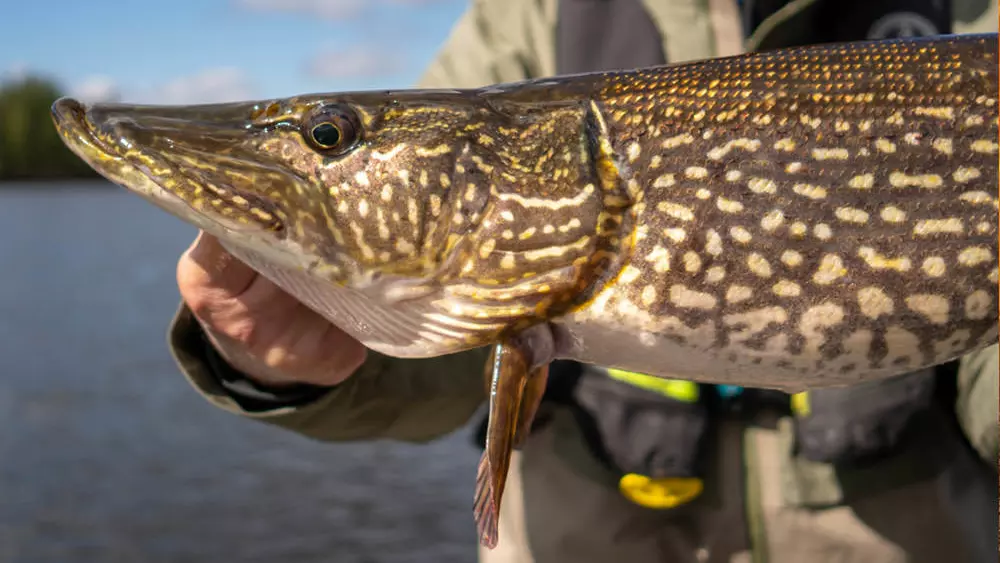
New anglers often focus solely on the middle of a lake or river, ignoring the 'structure' where fish actually live. Predatory species like Northern Pike or Muskie in the Northwoods of Wisconsin are ambush predators. They rely on weed edges, fallen timber, or underwater rock piles to hide from prey. Casting into open, featureless water is a low-percentage move. Instead, targeting transition zones where a shallow flat drops into deeper water will yield much better results throughout the day.
The time of day is another factor that beginners frequently ignore. Fishing during the high sun of midday in July is often the least productive window. Light-sensitive species like Walleye or nocturnal feeders like Catfish in the Mississippi River are most active during the 'golden hours' of dawn and dusk. Plan your trips around these low-light periods to capitalize on the natural feeding windows of your target species, as many fish move into shallower water to hunt when the sun is low.
Neglecting Hook Maintenance and Fish Handling
Maintaining a sharp hook is perhaps the most underrated skill in fishing. Many store-bought lures and bait hooks, even from reputable brands like Eagle Claw or Mustad, can become dull after bouncing off rocks in the Delaware River or snagging debris. A dull hook will not penetrate the hard jaw of a Salmon or the bony mouth of a Gar. Carrying a small hook hone and checking your points frequently by dragging them across a fingernail can prevent the heartbreak of a fish shaking the lure.
In addition to sharpness, the physical handling of the fish is a common area for improvement. Beginners often inadvertently harm fish they intend to release by touching them with dry hands or removing the protective slime coat. Using a rubberized net and keeping the fish in the water as much as possible is essential for conservation. In states like Washington or Oregon, strict regulations often mandate that certain protected species, such as wild Steelhead, must not even be removed from the water for a photo.
Disregarding Local Regulations and Weather Factors
Perhaps the most significant mistake is failing to consult local regulations and weather patterns before heading out. Every state has specific 'creel limits' and 'minimum size' requirements. For example, keeping an undersized Red Drum in the Texas Gulf Coast or a protected Snook in Florida can lead to heavy fines from fish and wildlife officers. Regulations exist to maintain sustainable populations, and it is the angler's responsibility to know the 'bag limit' for the specific body of water they are fishing.
Weather awareness is equally vital for both safety and success. A sudden pressure drop ahead of a cold front can trigger a feeding frenzy, but it also brings the risk of thunderstorms. Anglers on large bodies of water like Lake Tahoe or the Great Lakes must be wary of wind shifts that can create dangerous swells quickly. Monitoring a reliable NOAA weather radio or a mobile app ensures you stay safe while also helping you understand how barometric pressure influences fish behavior in your local region.
Frequently asked questions
What is the best starter rod and reel combo?
For most freshwater applications in the U.S., a 2000 to 3000 series spinning reel is ideal. Pair this with a 6-foot, 6-inch medium-action rod and 8-pound test monofilament line. This versatile setup allows you to effectively target various species ranging from Bluegill in local ponds to Walleye in the Great Lakes.
How do I properly set my reel drag?
Over-tightening the drag is a frequent error. To set it correctly, pull the line by hand from the reel; it should give way with firm pressure before the line reaches its breaking point. For 10-pound line, set the drag to slip at roughly 2.5 to 3 pounds of force to handle sudden runs.
Do I really need a license for catch-and-release fishing?
In the United States, fishing licenses are issued at the state level (e.g., Texas Parks and Wildlife or the NY DEC). You generally must carry a physical or digital copy while fishing. Always check for species-specific stamps, such as trout or salmon permits, which are often required in addition to a standard license.
How long should I stay in one spot if I’m not catching anything?
Lakes like Lake Okeechobee or Lake Erie change rapidly with the weather. Beginners often fish the same spot all day, but you should move if you haven't had a bite in 30 minutes. Fish follow thermal gradients and baitfish migrations, so staying mobile is key to finding active schools.