Fishing Regulations Every Angler Should Know
Regulations exist for a reason. Knowing them keeps fines off your record and fish populations healthy.
By Alain Quiroga · October 19, 2025 · 6 min read
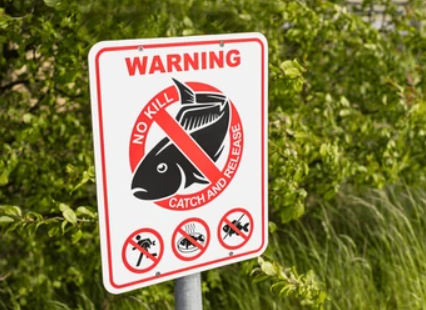
Navigating the complex landscape of fishing regulations across the United States is a fundamental responsibility for every ethical angler. From the sprawling reservoirs of the Tennessee River system to the pristine trout streams of the Rockies, state and federal laws ensure that our aquatic resources remain sustainable for future generations. Understanding these rules requires more than a casual glance at a brochure; it demands a deep dive into specific gear restrictions, seasonal closures, and regional bag limits that vary significantly from one watershed to the next.
Licensing and Reciprocity Standards
The cornerstone of American fisheries management is the state-specific fishing license, which funds vital conservation efforts, hatchery operations, and habitat restoration. Whether you are targeting Smallmouth Bass on Lake St. Clair or Redfish in the Louisiana marshes, possessing a valid license is mandatory. Major retailers like Bass Pro Shops or local bait stores often sell these, but most anglers now use mobile apps provided by agencies like the Florida Fish and Wildlife Conservation Commission (FWC) or the Texas Parks and Wildlife Department. Keep in mind that specialized endorsements, such as the California Second Rod Sport Fishing Validation, are often required if you plan to use multiple lines simultaneously.
Reciprocity is a critical concept for those fishing border waters like the Colorado River or the Great Lakes. For instance, if you are fishing the main channel of the Mississippi River between Iowa and Illinois, a valid license from either state is typically honored, but you must strictly follow the regulations of the state in which you are physically located or where you launched your vessel. Violations of these boundaries can result in significant penalties under the Lacey Act, a federal law that prohibits the illegal trade and transportation of wildlife, fish, and plants across state lines. Always verify the exact geographic boundaries before casting your first lure.
Seasonal Closures and Environmental Restrictions
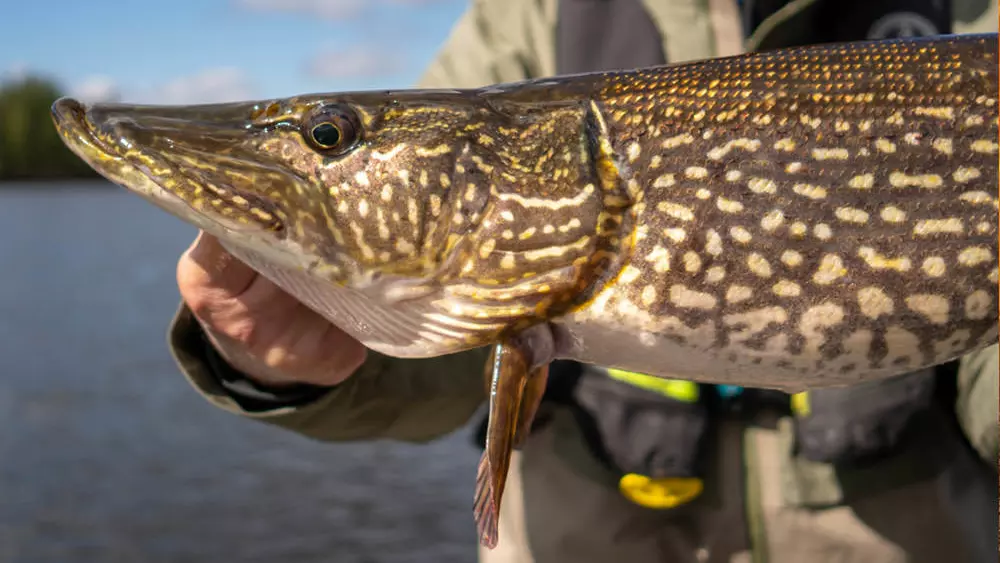
Seasonality plays a pivotal role in protecting fish during their most vulnerable life stages, particularly during the spawn. In northern states like Wisconsin and Michigan, the general game fish season for species like Northern Pike and Largemouth Bass often remains closed from early spring until the traditional 'Opener' in May. This gear-down period allows fish to build nests and successfully reproduce without being disturbed by heavy angling pressure. Conversely, many southern states maintain year-round open seasons due to different biological growth rates and spawning behaviors, though specific local exceptions always exist in high-traffic management areas.
Beyond the calendar, 'Hoot Owl' restrictions represent a dynamic form of seasonal regulation driven by environmental factors. In states like Montana, the Department of Fish, Wildlife & Parks may restrict fishing on rivers like the Madison or the Big Hole when water temperatures rise above 73 degrees Fahrenheit. During these periods, fishing is often banned during the hottest part of the day to reduce trout mortality. Understanding these real-time adjustments is crucial for fly fishermen using sensitive gear like 5-weight rods and light 6x tippets, as even a successful release can result in the fish's death in oxygen-depleted, warm water.
Size Limits and Harvest Strategies
Harvest regulations are primarily controlled through minimum length requirements and daily creel limits. These are designed to ensure that a fish has reached reproductive maturity at least once before it can be removed from the ecosystem. For example, in the Chesapeake Bay, the Atlantic States Marine Fisheries Commission frequently adjusts the minimum size for migratory Striped Bass to stabilize declining populations. Anglers using heavy-duty saltwater tackle, such as Penn International reels or Shimano Saragosa spinning setups, must be meticulous about measuring their catch using a flat board or a certified measuring tape to ensure compliance with these precise measurements.
Slot limits represent a more nuanced approach to harvest management. On Lake Okeechobee in Florida, or the walleye-rich waters of Lake of the Woods, you may encounter regulations that forbid keeping fish within a certain size range while allowing the harvest of smaller and much larger specimens. This strategy protects 'prime' spawners—the middle-sized fish that produce the highest quality eggs. When fishing these waters, experienced anglers often use specialized tools like the 'Ketch' board to get an exact measurement, as being off by even a quarter-inch can lead to a citation from a game warden during a routine vessel inspection.
Tackle Restrictions and Gear Legality
Gear restrictions often define the character of a fishery and are strictly enforced to prevent over-harvesting or excessive mortality. In 'Fly Fishing Only' or 'Artificial Lures Only' stretches of the Au Sable River in Michigan or the Davidson River in North Carolina, the use of scented baits, corn, or live minnows is strictly prohibited. These rules are usually paired with 'Single Point Barbless Hook' requirements to facilitate quick and safe releases. Using a treble hook—common on lures like the Rapala Original Floater—in these zones is a common mistake that can lead to immediate fines and the confiscation of expensive rods and reels.
The definition of 'legal tackle' also extends to the number of hooks per line and the method of take. In many jurisdictions, snagging (jigging a large weighted hook to foul-hook a fish) is illegal except for specific species like Paddlefish during designated seasons in certain Missouri or Oklahoma rivers. Additionally, states like New York have strict 'lead tackle' bans for small weights to prevent lead poisoning in loons and other waterfowl. Switching to tungsten or tin weights, while more expensive, is often a legal requirement in these ecologically sensitive regions. Always check if your favorite soft plastic lures, like the Yamaha Senko, are legal in 'bait-restricted' waters.
Invasive Species and Bait Transportation
The transportation of live fish and bait is one of the most heavily regulated aspects of modern angling due to the threat of Aquatic Invasive Species (AIS). Regulations often mandate that boaters 'Clean, Drain, and Dry' their equipment after leaving a body of water to prevent the spread of Zebra Mussels, Eurasian Watermilfoil, or Viral Hemorrhagic Septicemia (VHS). In the Great Lakes region, it is often illegal to transport lake water or live baitfish away from the ramp in your livewell. Failing to pull your boat's drain plug during transport can lead to an expensive ticket and mechanical decontamination of your vessel.
Bait regulations also vary wildly to protect local genetics and prevent disease. Using 'wild-caught' baitfish from one river system in another is frequently prohibited. For example, in the Adirondack Park of New York, utilizing live baitfish is banned in many 'Brook Trout' ponds to prevent the introduction of competing species like Golden Shiners or Yellow Perch. Anglers should rely on certified 'disease-free' bait from licensed dealers and always keep their receipts as proof of purchase. Being proactive about these rules protects the very fisheries we enjoy and prevents the permanent degradation of fragile aquatic habitats.
Frequently asked questions
At what age do I need a fishing license in the United States?
Requirements vary by state, but most jurisdictions require a license for any person 16 years or older. Certain states, like Florida, offer specialized freshwater and saltwater versions, while others such as Pennsylvania require separate permits for specific species like trout or Lake Erie habitat stamps. Always carry a digital or paper copy of your valid license while on the water to avoid heavy fines from conservation officers.
What is a slot limit and why does it exist?
A slot limit is a management tool where anglers must release fish within a specific length range, while keeping those smaller or larger. For example, on certain Minnesota walleye lakes, you might be required to release all fish between 18 and 24 inches. This protects the most productive spawning-age fish while allowing the harvest of smaller 'eaters' and potential trophy-sized specimens.
Can weather conditions change fishing regulations?
In many western states like Montana and Idaho, 'Hoot Owl' restrictions are implemented when water temperatures exceed 68°F for several consecutive days. These regulations typically prohibit fishing between 2:00 PM and midnight to protect cold-water species like Rainbow and Cutthroat trout from the lethal stress of being caught in low-oxygen, high-temperature water. Check state agency websites during peak summer heatwaves.
What is a creel limit?
Creel limits, also known as bag limits, dictate the maximum number of a specific fish species you can legally keep in a single day. These limits are set by state biologists based on population surveys and reproductive success. For instance, the daily limit for Crappie in many Mississippi reservoirs is 30 fish per person, whereas for high-pressure species like Striped Bass, the limit may be as low as one or two.