How to Plan the Perfect Fishing Road Trip
A great fishing road trip is engineered, not improvised. Use this framework to plan yours.
By Alain Quiroga · October 5, 2025 · 5 min read
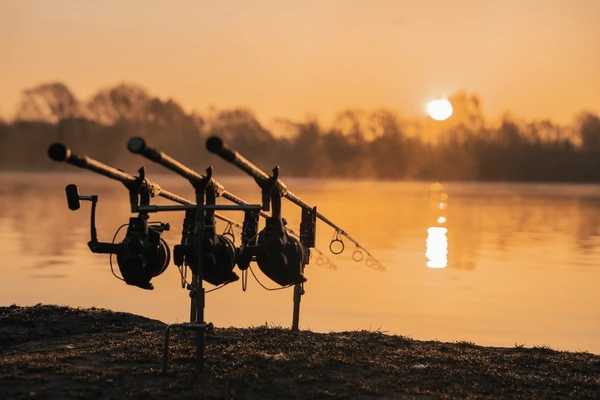
Embarking on a fishing road trip across the United States offers a unique opportunity to target diverse species ranging from the powerful Muskellunge of the North to the aggressive Largemouth Bass of the South. Successful fishing road trip planning requires more than just a map; it demands a deep understanding of seasonal migrations, regional tackle requirements, and various state-specific regulations. By strategically mapping your route and timing your arrival with peak bite windows, you can transform a simple drive into a legendary multi-day angling adventure.
Strategic Destination Scouting and Route Mapping
The foundation of any multi-day fishing trip is selecting a geographic corridor that offers species diversity within manageable driving distances. For instance, a trek through the Tennessee River Valley allows access to legendary impoundments like Lake Guntersville and Nickajack Lake. In the spring, when water temperatures hit the 58-62 degree range, these waters become prime territory for trophy Largemouth Bass moving into the shallows to spawn. Focusing on a specific region allows you to maintain a consistent tackle footprint while still experiencing different water types, from expansive reservoirs to narrow tailwaters known for world-class Smallmouth Bass fishing.
When selecting destinations, consult historical data such as state record lists and official stocking reports from agencies like the Texas Parks and Wildlife Department. If your goal is high-volume action, targeting a 'power plant lake' in the winter, such as Lake Monticello, can provide warmer water temperatures that keep fish active while surrounding lakes are dormant. Use digital mapping tools to identify public access points and boat ramps, ensuring you have backup locations if your primary spot is overcrowded or impacted by localized weather events like heavy runoff or high winds.
Essential Gear Selection for Versatility
Versatility is the priority when packing for a multi-species road trip. A medium-heavy fast-action baitcasting setup, like a St. Croix Victory or Shimano Curado rod, is the workhorse for everything from dragging jigs for bass to tossing topwaters for pike. Complement this with a 7-foot medium-power spinning outfit spooled with 10-pound braided line and a fluorocarbon leader for finesse applications like Ned rigs or drop shots. Keeping your rod count to four or five multi-purpose setups prevents clutter and ensures you are prepared for varying water clarity and structural patterns.
Consolidating your soft plastics into heavy-duty binder bags and using modular utility boxes allows for quick adjustments between stops. For a cross-country trip, your box should include 'confidence baits' like the Gary Yamamoto Senko, Z-Man Chatterbaits, and a variety of Keitech swimmings. Don't forget regional essentials; if moving into the Great Lakes region, ensure you have tubes and hair jigs for clear-water Smallmouth. Carrying a portable power station like a Jackery can also keep your electronics, such as handheld GPS units or GoPro cameras, charged during long stretches of camping between premier fishing holes.
Mastering Seasonal Timing and Weather Windows
Timing is the most critical variable in fishing road trip planning. For those heading to the Florida Everglades, late winter and early spring offer the best conditions as receding water levels concentrate fish in accessible canals and deeper holes. Conversely, if your route takes you through the Pacific Northwest for steelhead, late summer and autumn timing is essential to catch the migration runs. Always research the 'moon phase' for your trip dates, as many anglers believe the three days surrounding a full or new moon can trigger increased feeding activity among larger predatory species.
Beyond the calendar, monitor short-term weather patterns 48 hours before arrival. A passing cold front can shut down a shallow-water bite on a Texas lake like Sam Rayburn, requiring a shift in strategy to deeper offshore humps using deep-diving crankbaits or heavy Carolina rigs. If you find yourself facing high-pressure systems and bluebird skies, prepare to downsize your lures and slow your presentation. Monitoring barometric pressure trends via mobile apps can give you a significant advantage in predicting whether fish will be aggressively suspended or tight to heavy cover.
Logistics, Safety, and On-the-Road Management
A successful fishing vacation requires a balance between time on the water and logistical comfort. If you are towing a boat, ensure your vehicle is equipped with a transmission cooler and that you have inspected your trailer bearings and tires recently. Long hauls on high-temperature asphalt can lead to blowouts, especially on older trailer tires. For those fly-fishing or shore-fishing, consider a rooftop cargo box to keep wet waders and boots outside the vehicle cabin, preventing odor and moisture buildup that can ruin a long drive.
Connectivity is another factor when venturing into remote regions like the Ozarks or the boundary waters of Minnesota. Download offline maps via Google Maps or specialized apps like OnX to navigate forest service roads where cell signals vanish. Additionally, carry a basic physical atlas as a fail-safe. Regarding fuel, never let your tank drop below a quarter when in the rural West; gas stations can be 50 to 100 miles apart. Pre-booking campsites or motels near your launch points ensures you maximize your 'golden hour' fishing time rather than searching for a place to sleep after dark.
Navigating State Regulations and Conservation Ethics
Each state has its own unique set of regulations regarding creel limits, minimum lengths, and bait restrictions. In parts of the West, 'barbless hook' sections are common for trout conservation, while in the South, specific reservoirs may have 'slot limits' where fish of a certain size must be immediately released to maintain a healthy population. Ignorance is rarely an excuse when a conservation officer checks your cooler. Always keep a digital copy of the state's latest fishing handbook on your phone for quick reference when you cross state lines.
Furthermore, be aware of invasive species protocols. Many Northern states require 'Clean, Drain, Dry' procedures to prevent the spread of Zebra Mussels and Eurasian Watermilfoil. This includes draining your lower unit and livewell and often bleaching your gear if you have moved from an infested body of water. Some regions, like the Colorado River basin, even require specialized inspections for boats before they can be launched in certain reservoirs. Respecting these laws ensures that these world-class fisheries remain productive for decades to come.
Frequently asked questions
How do I handle fishing licenses for multiple states?
Non-resident fishing licenses can be purchased online via state wildlife agency websites like the Florida FWC or Montana FWP. Many states offer short-term 3-day or 7-day permits which are more cost-effective for road trips. Always download a digital copy and keep a printed backup in your glove box, as cell service can be unreliable in remote backcountry fishing locations.
What is the best way to organize gear for a long haul?
Standardization is key; use 3600 or 3700 size tackle trays to organize by species. Vertical rod racks or foam transport systems like those from Thule or Yakima protect sensitive graphite blanks from snapping during transit. Always keep a basic emergency kit and a portable tire inflator, as heavy gear loads and remote access roads increase the risk of mechanical issues.
How do I track water conditions remotely?
Check the USGS WaterWatch website for real-time streamflow and discharge data. For tailwaters, check specific dam release schedules provided by the TVA or Army Corps of Engineers. Sudden spikes in cubic feet per second (CFS) can make wading dangerous or cause fish to hunker down in deep structure, while low flows might lead to lethargic fish and high water temperatures.
Are there specific transport laws I should be aware of?
States like Florida and Georgia have strict regulations to prevent the spread of invasive species like hydrilla or zebra mussels. Always drain livewells, clean trailers of all plant matter, and dry your gear completely before crossing state lines. In many Western states, roadside inspection stations are mandatory for anyone hauling a boat to ensure aquatic nuisance species are not being transported.
Related articles
Top Fishing Destinations in Alaska Worth the Trip
Five trips that justify the airfare — from Bristol Bay's giant rainbows to Homer's monster halibut.
Alain Quiroga · Mar 8, 2026 · 5 min read
Family-Friendly Fishing Locations Across the USA
Skip the wilderness epic. These family-friendly spots deliver bent rods and happy kids every visit.
Alain Quiroga · Dec 7, 2025 · 5 min read
America's Most Underrated Fishing Towns
Forget Destin and Key West. These small towns offer world-class fishing without the bill or the boat traffic.
Alain Quiroga · Nov 23, 2025 · 5 min read