Top Fish Species Every Angler Should Catch Once
The American fishing bucket list — from largemouth bass to bluefin tuna, here are the species worth chasing.
By Alain Quiroga · September 28, 2025 · 6 min read
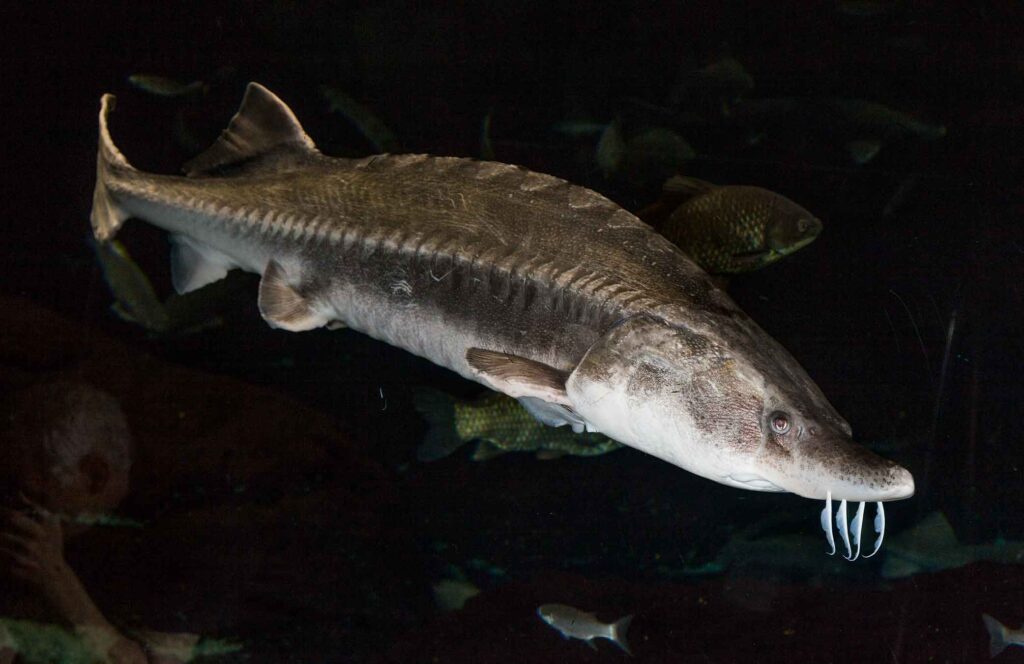
Every serious angler harbors a curated bucket list of species that define the pinnacle of the sport, ranging from the elusive ghost of the flats to the predatory monsters of the north. This selection represents the ultimate challenge in North American angling, combining historical significance, technical difficulty, and raw power. Whether you are navigating the intricate mangroves of the Florida Keys or casting into the windswept waters of the Great Lakes, these fish species offer the most rewarding experiences in the federal and coastal waters of the United States.
The Muskellunge: The Apex Predator of the North
The Muskellunge, or Musky, is widely regarded as the 'fish of ten thousand casts' due to its fickle feeding habits and predatory intelligence. These apex predators are native to the Great Lakes region and the upper Mississippi River basin, with legendary waters like Minnesota's Lake Mille Lacs and Wisconsin's Lake Chippewa Flowage serving as top-tier destinations. To successfully land a trophy Musky, anglers must master the 'figure eight' maneuver at the boat side, a technique designed to trigger followers into a reflexive strike. This species requires heavy-duty tackle, typically 80-pound braided line and extra-heavy rods, to handle lures that can exceed 12 inches in length.
Peak Musky season typically begins in late spring, but the true giants are often caught during the 'fall turnover' when water temperatures drop between 45 and 55 degrees Fahrenheit. During this window, fish move toward shallow structure to fatten up for winter, making them more susceptible to large rubber baits like the Musky Innovations Bull Dawg or massive bucktails. Precision is key; you are looking for specific ambush points such as weed edges, rock bars, or sunken timber. Understanding the local regulations is vital, as many states enforce a 50-inch minimum length limit to protect the breeding population and ensure the fishery remains sustainable.
Largemouth Bass: The Icon of American Angling
The Largemouth Bass is the cornerstone of American freshwater fishing, and no fish species bucket list is complete without a double-digit 'lunker.' To find a true trophy exceeding 10 pounds, anglers generally head south to the managed reservoirs of Texas or the deep, clear lakes of California. Lake Fork, Texas, remains a premier destination, having produced a significant portion of the state’s top 50 heaviest bass. Here, the combination of Florida-strain genetics and abundant submerged timber creates the perfect environment for massive growth. These fish are highly sensitive to barometric pressure changes and water temperature transitions, particularly during the pre-spawn window.
Technique variety is what makes the Largemouth Bass so engaging. From 'punching' thick vegetation with heavy tungsten weights to 'walking the dog' with a Zara Spook at dawn, the options are endless. For clear-water giants in California lakes like Lake Casitas, finesse techniques such as the 'drop shot' with 6-pound fluorocarbon are often necessary. In contrast, the stained waters of the Southeast often demand 20-pound fluorocarbon or 65-pound braid to pull fish out of heavy cover. Tracking the moon phases—specifically the full and new moons in March and April—can significantly increase your chances of encountering a trophy female on the beds.
Tarpon: Jumping the Silver King
Tarpon, often called the 'Silver King,' represent the ultimate test of an angler's nerve and equipment in shallow salt water. These prehistoric giants can reach weights exceeding 200 pounds and are famous for their acrobatic leaps when hooked. The Florida Keys, particularly around Islamorada and Bahia Honda, serve as the epicentre for the annual Tarpon migration from May through July. Anglers typically use heavy fly gear (11-12 weight rods) or spinning tackle with 50-pound braid and an 80-pound mono leader to withstand the abrasive mouths and violent headshakes of these massive fish.
The challenge of Tarpon fishing lies in the 'bow to the king'—dropping the rod tip toward the fish as it jumps to prevent the line from snapping under the sudden tension. For those using natural bait, a live crab or mullet drifted on a circle hook near bridge pilings or in deep channels at night is a highly effective strategy. Because Tarpon are a catch-and-release-only species in Florida (unless you possess a highly regulated trophy tag), proper handling is paramount. This means keeping the fish in the water at all times to prevent internal injury and ensuring they are fully revived before release to avoid shark predation.
Steelhead: The Silver Ghost of Cold Water
The Steelhead, a sea-run Rainbow Trout, is a ghost-like wanderer that evokes a deep sense of tradition among anglers. Unlike resident trout, Steelhead migrate to the ocean or Great Lakes to grow before returning to their natal rivers to spawn. This migration makes them incredibly powerful and resilient. In the Pacific Northwest, rivers like the Skykomish and the Rogue offer the quintessential experience of swinging flies for 'chrome' fish. In the Great Lakes 'Steelhead Alley,' spanning from Ohio to New York, anglers focus on tributaries of Lake Erie using centerpin reels and float fishing techniques to present egg patterns and jigs with surgical precision.
Fishing for Steelhead is often a battle against the elements, as the best runs occur during the late fall and winter months. Water temperatures often hover just above freezing, requiring anglers to use breathable waders with heavy layering and specialized cold-weather gloves. A typical setup for Great Lakes fishing involves a 10.5 to 13-foot light-action rod paired with a fluorocarbon leader as thin as 6-pound test, as these fish can be extremely line-shy in clear water. The strike is often subtle, but the ensuing fight is legendary, characterized by blistering runs and multiple jumps that can quickly empty a reel's spool.
Flathead Catfish: The River's Heavyweight Champion
The Flathead Catfish is the undisputed brute of the American river systems, prized for its immense size and predatory nature. Unlike other catfish species that scavenge, Flatheads are primarily live-bait hunters, making them a unique challenge for those used to 'stink baits.' They are found across the Mississippi, Missouri, and Ohio River drainages, with some of the largest specimens often coming from the Santee Cooper lakes in South Carolina. To target these giants, which can exceed 60 pounds, anglers use heavy-duty baitcasting equipment, 80-pound braided line, and 8/0 to 10/0 circle hooks baited with live bluegill or bullheads.
Night fishing is the most productive method for Flatheads, as they emerge from deep log jams and undercut banks to hunt in shallower flats. Positioning is everything; you must place your bait near 'heavy' cover where these solitary fish reside during the day. This is a game of patience, often requiring hours of waiting for a single, thumping take. When a Flathead hits, the initial run is powerful and directed straight back into the snags, requiring the angler to apply maximum pressure immediately. Scientific studies show these fish are slow-growing and highly territorial, so many conservation-minded anglers practice catch-and-release for any fish over 30 pounds.
Frequently asked questions
What is the best time and place to catch an Atlantic Sailfish?
Target Florida's Atlantic coast from November to March. Concentrate your efforts around Stuart, known as the Sailfish Capital of the World. Use a 20-30 lb class spinning or conventional outfit with a live goggle-eye on a circle hook. Look for the 'blue water' edges where the Gulf Stream pushes close to the reefs.
What is the world record for a Largemouth Bass?
The official IGFA all-tackle world record for Largemouth Bass is a tie at 22 pounds, 4 ounces. The first was caught by George Perry at Montgomery Lake, Georgia, in 1932. The second was landed by Manabu Kurita in Lake Biwa, Japan, in 2009. Domestic anglers frequently target trophy fish in Texas's Lake Fork and California's Lake Castaic.
What gear is essential for Musky fishing?
Standard heavy-duty gear includes a 7 to 8-foot extra-heavy action rod paired with a high-capacity baitcasting reel like the Shimano Tranx 400 or 500. Use 80-pound braided line with a 100-pound fluorocarbon or wire leader. Popular lures include the Musky Innovations Bull Dawg, Double Cowgirl bucktails, and Suick Thrillers for topwater strikes.
Where are the best locations for Steelhead in the U.S.?
The Great Lakes, particularly Lake Erie and Lake Ontario, offer world-class Steelhead fishing from late autumn through spring. In the Pacific Northwest, the Olympic Peninsula rivers like the Hoh and Sol Duc are legendary for wild winter-run Steelhead. Use 8-10 lb fluorocarbon leaders and specialized drift gear or switch fly rods for these powerful migratory trout.
Related articles
Top Fishing Destinations in Alaska Worth the Trip
Five trips that justify the airfare — from Bristol Bay's giant rainbows to Homer's monster halibut.
Alain Quiroga · Mar 8, 2026 · 5 min read
Family-Friendly Fishing Locations Across the USA
Skip the wilderness epic. These family-friendly spots deliver bent rods and happy kids every visit.
Alain Quiroga · Dec 7, 2025 · 5 min read

America's Most Underrated Fishing Towns
Forget Destin and Key West. These small towns offer world-class fishing without the bill or the boat traffic.
Alain Quiroga · Nov 23, 2025 · 5 min read