Best Artificial Baits for Freshwater Fishing
These artificial baits produce in nearly any U.S. freshwater situation — without the mess of live bait.
By Alain Quiroga · October 26, 2025 · 5 min read
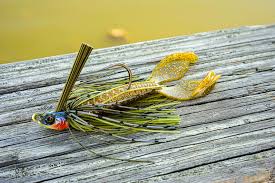
Mastering the art of freshwater fishing requires a deep understanding of how artificial baits simulate natural prey across diverse ecosystems. From the cypress-lined banks of the St. Johns River to the rocky depths of Lake Lanier, choosing the right lure can mean the difference between a productive day and a skunked outing. This guide explores the most effective artificial baits currently used by experts to target North American game fish in various conditions.
Versatile Soft Plastics and Finesse Rigs
Soft plastic worms remain the undisputed champions of bass fishing due to their versatility and realistic texture. The Gary Yamamoto Custom Baits Senko is perhaps the most famous example, designed for a subtle falling action that triggers strikes from cautious largemouth in clear water. When fishing pressured reservoirs like Lake Fork in Texas, rigging these 'stick baits' weightless or on a Texas rig allows you to navigate heavy submerged timber without snagging. This technique is particularly effective during the post-spawn period when water temperatures hover between 65 and 75 degrees.
For targeting deeper structures or cold-water scenarios, the finesse approach of a 'Ned Rig' using a Z-Man TRD soft plastic has revolutionized the industry. These small, buoyant plastics are typically paired with a 1/16 oz mushroom jig head. In the Missouri Ozarks or the Tennessee River system, this presentation mimics small crawfish or bottom-dwelling minnows. The key is minimal movement; allow the bait to sit on the bottom, as the high-buoyancy TPE material keeps the tail pointed upward, making it an easy target for lethargic smallmouth and spotted bass.
Hard-Bodied Crankbaits for Power Fishing
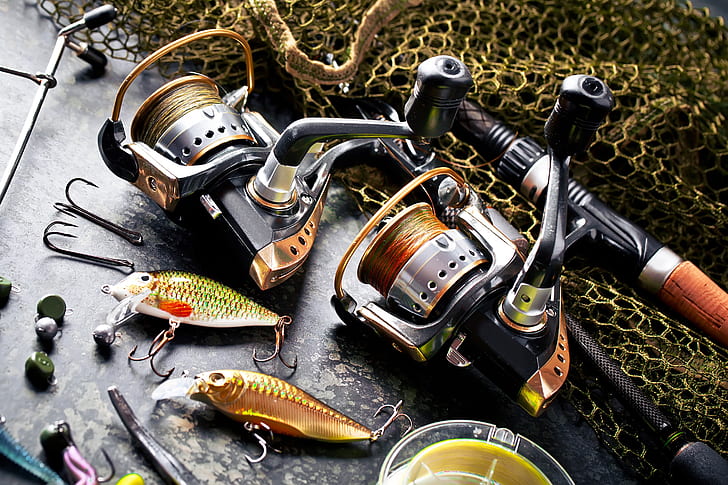
Crankbaits are engineered to cover vast amounts of water and trigger 'reaction strikes' from predatory fish. In the early spring, when water temperatures reach the low 50s, red or craw-colored flat-sided crankbaits like the Rapala Shad Rap are essential. Shorter, tighter wobbles are preferred in cold water, while wide-drifting square bills, such as the Strike King KVD 1.5, excel in the summer heat around the brush piles of Lake Guntersville. These lures deflect off cover, often prompting a strike the moment the lure changes direction.
Deep-diving crankbaits are the go-to tool for reaching the thermocline during mid-summer. Baits like the 6th Sense 300 series can reach depths of 15 to 20 feet, where the water is oxygenated and cooler. To maximize depth, anglers often use 10lb to 12lb fluorocarbon, which has a thinner diameter and sinks faster than monofilament. This allows the lure to stay in the 'strike zone' longer. When the lure hits a rock or stump, a brief pause in the retrieve often results in an aggressive inhale from a lurking trophy fish.
Spinnerbaits and Bladed Jigs for High Vibrations
The rhythmic 'thump' of a spinnerbait is a classic trigger for aggressive pike and bass. Lures like the War Eagle Screamin' Eagle are designed to be retrieved quickly through the upper water column. Double willow blades are the preferred choice for clear water because they provide maximum flash, mimicking a school of fleeing shad. In the stained waters of the Carolinas or the Florida Everglades, Colorado blades offer more vibration, helping fish locate the bait through their lateral line even when visibility is less than twelve inches.
Chatterbaits, or bladed jigs, have surged in popularity, notably the Z-Man ChatterBait JackHammer. This lure combines the flash of a spinnerbait with the erratic action of a crankbait. It is particularly effective in the grassy flats of Lake Okeechobee or the Potomac River. By 'ripping' the bait through submerged aquatic vegetation like hydrilla or milfoil, anglers can trigger massive strikes. The sudden vibration after the bait clears a weed edge is often when the biggest fish in the system decide to commit to the lure.
Topwater Lures for Explosive Surface Strikes
Surface lures provide the most visual and exciting strikes in freshwater fishing. During the 'topwater window' at dawn and dusk, poppers like the Rebel Pop-R are masters of the surface. In the lily pads of the Upper Mississippi, hollow-body frogs like the SPRO Bronzeye Frog allow anglers to cast directly into heavy muck where traditional lures would instantly snag. These baits are fished on heavy 50-65lb braided line to ensure the fish can be hauled out of the dense vegetation once they strike the bait from below.
Walking baits, such as the Heddon Zara Spook, utilize a 'walk the dog' side-to-side action. This mimics a wounded baitfish struggling on the surface. This technique is legendary on the Highland Reservoirs of the South, such as Lake Smith in Alabama. When spotted bass are schooling in the fall, a walking bait can draw fish from 20 feet of water up to the surface. It is vital to wait until you feel the weight of the fish on the rod before setting the hook, as many topwater strikes result in the fish initially missing the lure.
Skirting Cover with Jigs and Trailers
Jigs are the ultimate big-fish lure, responsible for a significant percentage of state records across the U.S. A flipping jig, such as the Dirty Jigs Noochie Jig, is designed with a stout hook and a heavy weed guard to penetrate the densest cover imaginable. In the swampy backwaters of the Atchafalaya Basin, anglers use these to target the base of cypress knees. The lure is paired with a soft plastic trailer, like a NetBait Paca Craw, to add bulk and a realistic profile that mimics a large crawfish, a primary protein source for trophy bass.
Swim jigs offer a more horizontal presentation compared to the vertical fall of a flipping jig. These are fitted with a paddle-tail swimbait trailer, like a Keitech Fat Swing Impact, and are 'swum' through grass or under boat docks. In the glacial lakes of the Midwest, such as Lake Minnetonka, swim jigs are highly effective during the early summer. The key is to keep the bait moving just above the weed line. Because the hook is shielded by a weed guard, it can be thrown into high-percentage areas where open-hook lures would fail.
Frequently asked questions
How do I choose the right color lure for water clarity?
For clear water, natural patterns like pumpkinseed, watermelon, or silver mimic forage like shad and perch. In stained water, high-contrast colors like black/blue or chartreuse create a visible silhouette. Many anglers favor 'California 420' or 'Green Pumpkin' for midday sun, while brighter whites excel during low-light dawn or dusk periods when fish are targeting surface silhouettes.
Should I use large or small lures for seasonal fishing?
Matching the hatch is critical. Examine the local ecosystem for native forage like threadfin shad, bluegill, or crawfish. In the spring, smaller 2.5-inch baits work well for fry, while autumn requires larger 5-inch to 7-inch swimbaits to match the size of mature baitfish schools. Understanding the seasonal migration of baitfish helps narrow down the appropriate lure size.
Does scent really make a difference with artificial baits?
Scented soft plastics, such as Berkley PowerBait or MaxScent, use water-soluble attractants that disperse into the water column. Studies suggest bass and trout hold onto scented baits longer than unscented ones, granting the angler an extra second to set the hook. This is particularly effective in cold water where fish strike with less aggression and more caution.
What line weight is best for heavy freshwater lures?
Monocarbon or monofilament line in the 8lb to 12lb range is standard for medium-depth lures. For heavy cover or thick vegetation, many pros switch to 30lb to 50lb braided line to ensure they can pull fish out of the weeds. Fluorocarbon is preferred for sensitivity and near-invisibility in clear water like the Great Lakes or deep mountain reservoirs.
Related articles
Best Fishing Rod and Reel Combos for Beginners
The right first rod accelerates the learning curve. These combos balance price, durability, and performance.
Alain Quiroga · Feb 22, 2026 · 5 min read
The Best Fishing Apps Every Angler Should Use
Skip the fluff. These five apps actually improve your catch rate and trip planning.
Alain Quiroga · Dec 14, 2025 · 5 min read
Top Fishing Gear Under $100
Premium performance, budget price. These picks deliver outsized value on the water.
Alain Quiroga · Nov 2, 2025 · 5 min read