Best Fishing Rod and Reel Combos for Beginners
The right first rod accelerates the learning curve. These combos balance price, durability, and performance.
By Alain Quiroga · February 22, 2026 · 5 min read
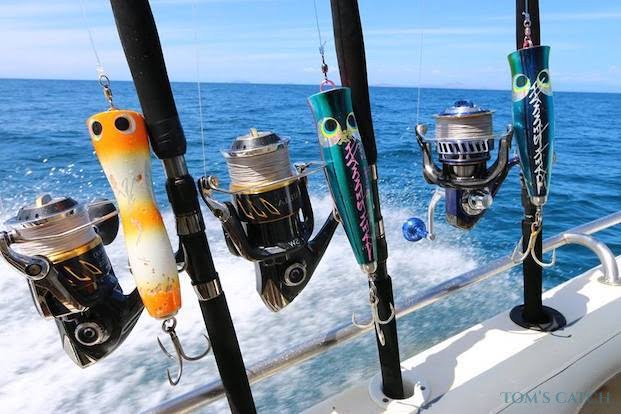
Selecting the right equipment is the most critical step for any newcomer looking to explore the diverse waterways of the United States. Whether you are targeting largemouth bass in the warm reservoirs of the Southeast or pursuing yellow perch in the cooler glacial lakes of the Midwest, the right beginner fishing combo sets the foundation for success. This guide examines the most reliable, high-performance setups designed to handle a variety of species while minimizing the common technical frustrations that often plague novice anglers during their first few seasons on the water.
Selecting the Right Spinning Platform
For most newcomers, the spinning reel is the undisputed king of the water. Unlike baitcasting reels, which require precise thumb control to prevent line overruns, spinning reels use an open-face design that makes casting intuitive and trouble-free. Brands like Shimano and Penn have perfected these entry-level systems, offering high-quality drag systems that can handle the lunges of a four-pound bass or the steady pull of a channel catfish. When selecting a beginner spinning combo, look for a reel in the 2500 to 3000 size range. This size is large enough to hold plenty of line for long casts but light enough to prevent arm fatigue during a full day of fishing.
The rod paired with this reel should typically be constructed from a graphite or fiberglass composite. Graphite offers the sensitivity needed to feel a subtle bite from a bluegill, while fiberglass provides the durability to withstand the occasional knock against a boat rail. A medium-power rod with a fast action is highly recommended for versatile applications. This combination allows the angler to cast a wide variety of lures, from 1/8-ounce roostertails to 1/2-ounce spinnerbaits, across different environments including the snag-heavy banks of the Potomac River or the clear depths of Lake Lanier.
The Durability of the Graphite-Fiberglass Composite
The Ugly Stik GX2 is perhaps the most famous first fishing rod in the United States, known for its nearly indestructible design. Constructed with a blend of graphite and fiberglass, it features a clear tip that provides excellent visual feedback when a fish strikes. This durability is essential for beginners who may not yet be accustomed to the fragility of high-end carbon fiber rods. In the rocky terrain of the Susquehanna River or the brush-filled edges of East Texas reservoirs, having a rod that can survive a rough landing or an accidental drop is a significant advantage for a learner.
While it is built for toughness, the GX2 also maintains enough balance to allow for accurate casting. It is frequently paired with a simple yet effective reel that can handle 8-pound or 10-pound test monofilament. This setup is particularly effective for bait fishing with nightcrawlers or shiners. For many, this combo serves as a bridge, allowing them to catch everything from sunfish to smallmouth bass without worrying about breaking their gear. This resilience makes it a staple recommendation for those fishing in varied conditions across the country.
Smooth Performance with the Pflueger President
The Pflueger President series is often cited by experts as the best beginner fishing combo for those willing to spend a few extra dollars for smoothed performance. The reel features a 10-bearing system that provides a significantly smoother retrieve than cheaper plastic models. This smoothness is not just about feel; it helps an angler detect the rhythmic vibration of a crankbait or the soft 'tick' of a jig hitting a rock. When fishing for finicky smallmouth in the clear waters of Lake Michigan or the Finger Lakes, this added sensitivity can be the difference between a successful outing and a skunked day.
The rod included in the President combo is typically a high-modulus graphite blank, which is lighter and more responsive than composite rods. It excels at finesse techniques, such as the Ned Rig or a drop shot, which are effective during the summer months when water temperatures rise above 75 degrees and fish become sluggish. While it requires slightly more careful handling than a composite rod, the Pflueger President rewards the beginner with a professional feel that they will not outgrow as their skills progress toward intermediate levels.
Saltwater Standards for Coastal Beginners spinning
For those heading to the Gulf Coast or the Atlantic seaboard, a freshwater combo won't suffice due to the corrosive nature of salt. The Penn Pursuit IV is a premier choice for a first saltwater setup. It features a graphite body that resists rust and a sealed humand-drag system that prevents saltwater from damaging the internals. Saltwater species like reddrum or speckled trout are significantly stronger than most freshwater fish, and the Pursuit's robust gearing is designed to handle those powerful runs without failing. Using this gear near the jetties of Galveston or the piers of the Outer Banks ensures the equipment lasts more than one season.
Pairing this reel with a medium-heavy rod allows the beginner to throw heavier weights, which is often necessary to hold bait on the bottom against strong tides. A 7-foot rod is standard here, providing enough leverage to pull a stubborn flounder away from a bridge piling. It is important to note that while these combos are marketed for saltwater, they must still be rinsed with fresh water after every outing to ensure the longevity of the line guides and the bail spring. For a beginner, the Penn Pursuit IV offers a professional-grade experience at an accessible price point.
Matching Gear to Seasonal Fish Patterns
Understanding how your beginner combo interacts with fish behavior is the final piece of the puzzle. In the spring, when water temperatures reach the mid-50s, fish like largemouth bass move to shallow flats to spawn. A medium-action spinning combo is perfect for throwing light jerkbaits or plastic worms into these three-to-five-foot depths. The flexibility of the rod tip allows for a 'soft touch,' ensuring you don't pull the lure away from a protective parent fish too quickly. This seasonal transition is the best time for beginners to practice their casting and hooksets.
As summer takes hold and fish move to deeper, cooler water near submerged structures or creek channels, the same beginner combo remains effective. By switching to a heavier sinker or a deep-diving crankbait, you can reach those 15-foot depths where oxygen levels are more stable. The key is to trust the drag system of a quality reel. Beginners often make the mistake of tightening the drag too far; instead, it should be set so that a firm pull from the hand can move the spool. This setting allows the gear to protect itself against the sudden lunges of larger fish, ensuring your first trophy catch makes it to the net.
Frequently asked questions
What line weight should a beginner use for general freshwater fishing?
For freshwater beginners, a 6 to 10-pound test monofilament is ideal. It offers enough strength to land significant bass or walleye while remaining thin enough to cast lightweight lures easily. Monofilament is preferred over braid for novices because its elasticity helps prevent hooks from tearing out of a fish's mouth during an over-eager hookset.
What is the ideal rod length for a first-time angler?
A 6-foot, 6-inch or 7-foot medium-action rod is the golden standard. This length provides a balanced mix of casting distance and accuracy. It is manageable for bank fishing in tight quarters while long enough to handle most techniques used on a boat or pier, making it the most versatile choice for a first setup.
Is a spinning reel or a baitcaster better for a beginner?
Spinning reels are widely considered the best for beginners. Unlike baitcasters, which are prone to complex line tangles known as "bird's nests," spinning reels feature a stationary spool that allows line to flow freely. This design is far more forgiving for those learning the mechanics of casting and managing line tension.
How should a beginner maintain their new fishing rod and reel?
Maintaining a combo involves rinsing it with fresh water after use, especially if used in brackish environments. Annually, one should apply a drop of reel oil to the bail hinge and handle bearings. It is also important to replace monofilament line every season, as UV exposure and heat can make the line brittle and prone to snapping.
Related articles
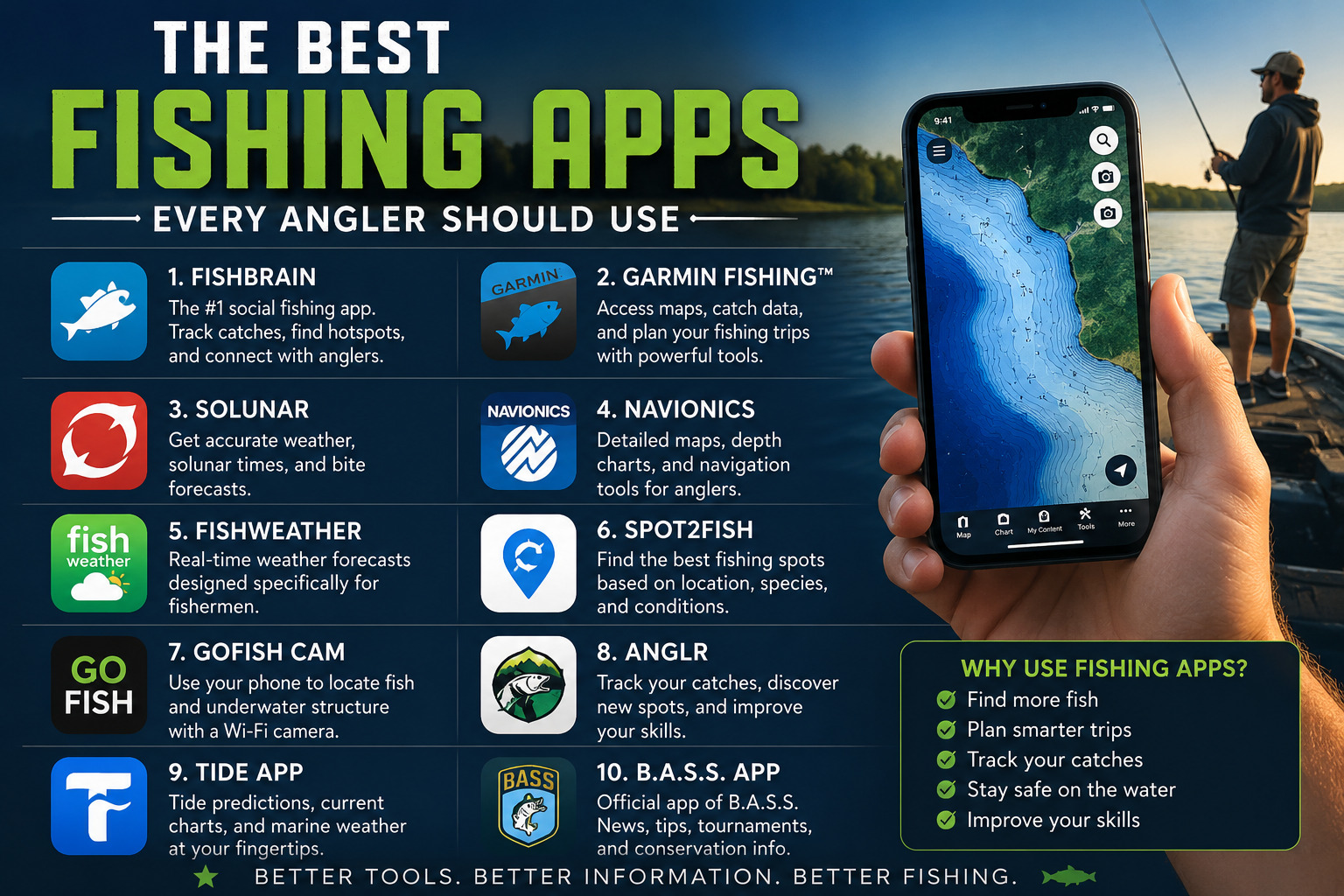
The Best Fishing Apps Every Angler Should Use
Skip the fluff. These five apps actually improve your catch rate and trip planning.
Alain Quiroga · Dec 14, 2025 · 5 min read
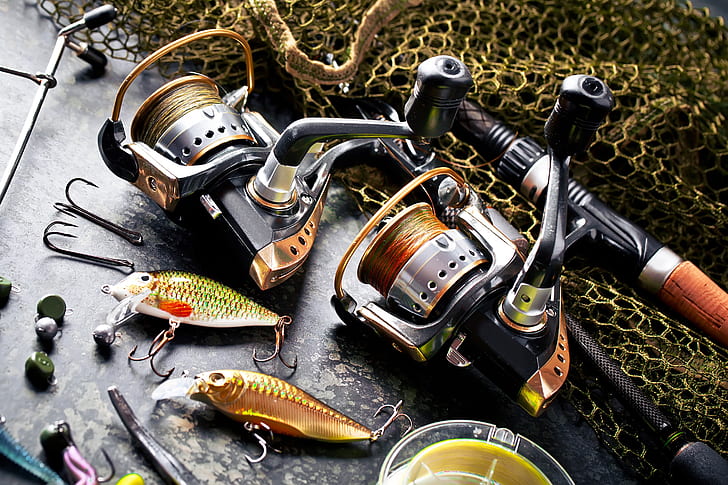
Top Fishing Gear Under $100
Premium performance, budget price. These picks deliver outsized value on the water.
Alain Quiroga · Nov 2, 2025 · 5 min read
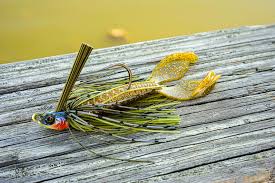
Best Artificial Baits for Freshwater Fishing
These artificial baits produce in nearly any U.S. freshwater situation — without the mess of live bait.
Alain Quiroga · Oct 26, 2025 · 5 min read