Fall Fishing Strategies for Bigger Catches
Fall fish gorge before winter. The angler who follows the bait wins.
By Alain Quiroga · December 21, 2025 · 5 min read
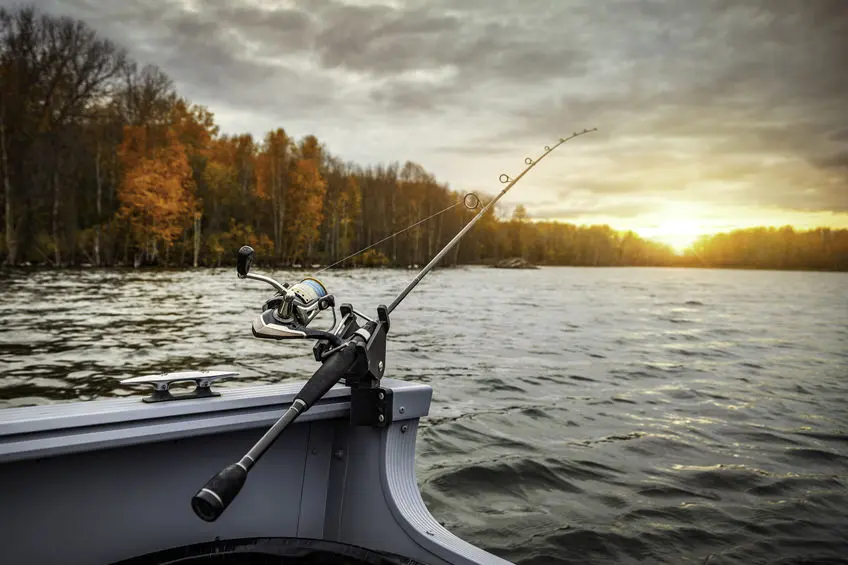
As the summer heat dissipates and water temperatures across the United States begin their steady decline, a primal shift occurs beneath the surface of our lakes and rivers. For the intermediate angler, fall fishing strategies require a fundamental transition from deep summer haunts to the shallow, oxygen-rich zones where baitfish congregate before winter. Understanding this seasonal migration is the key to capitalizing on the most aggressive feeding window of the year across various American watersheds.
Locating the Autumn Baitfish Migration
The most critical component of successful fall fishing is locating the forage. In major reservoirs like Lake Guntersville in Alabama or Lake Texoma on the Texas-Oklahoma border, schools of threadfin and gizzard shad begin moving out of the main lake basins and into the primary creeks. This migration is driven by the cooling water, which often stays warmer in the shallower backwaters during early autumn. Predators like largemouth bass and striped bass follow these schools relentlessly, setting up "kill zones" along secondary points and flats where they can easily corner baitfish against the shore or the surface.
To effectively target these moving schools, anglers should look for visual cues such as diving gulls or "boiling" water where predators are breaking the surface. Utilizing high-quality electronics, such as Garmin LiveScope or Humminbird MEGA Side Imaging, allows you to track the depth of the baitfish. Early in the season, bait may be suspended in the top 10 feet of the water column over deeper channels. As the "turnover" occurs—where the cooling surface water sinks and mixes with the depths—fish may become temporarily scattered before stabilizing in the creek arms.
High-Percentage Lure Selection and Tactics
Autumn is the season of the horizontal presentation. Because fish are actively chasing fast-moving schools, lures that cover water quickly are essential. Lipless crankbaits, such as the legendary Bill Lewis Rat-L-Trap or the Strike King Red Eye Shad, are phenomenal for vibrating through cooling grass beds or over rocky flats. A 1/2-ounce model in chrome or shad patterns allows for long casts and a varied retrieve that can trigger reactionary strikes from aggressive fish looking to bulk up for the winter dormancy.
For fish positioned slightly deeper or along steep bluffs, the jerkbait becomes a primary weapon. Suspending models like the Megabass Vision 110 or the Lucky Craft Pointer 100 shine in clear-water reservoirs like Missouri's Table Rock Lake. The key is to match the cadence of your "rip-rip-pause" retrieve to the water temperature. As the water cools into the 50s, lengthening the pause can often be the difference between a looker and a biter, as the lure hangs motionless in the strike zone, mimicking a dying shad.
Targeting Northern Predators: Walleye and Muskie
While bass often dominate the fall conversation, walleye and muskellunge fishing reaches its zenith in northern reaches like the Great Lakes and the upper Mississippi River. In lakes such as Mille Lacs in Minnesota, walleyes move toward rocky reefs and shorelines during the "night bite" of October and November. Large minnow-profile crankbaits, such as the Rapala Original Floater or the Husky Jerk, cast into shallow water under the cover of darkness, can produce trophy-sized fish that are otherwise deep and lethargic during the summer months.
For those chasing the "fish of ten thousand casts," autumn is prime time for Esox masquinongy, or Muskellunge. In systems like the Chippewa Flowage in Wisconsin, muskies move toward the remaining green weedbeds or steep breaklines. Massive bucktails or soft plastic "bulldawgs" are standard gear here. The cooling water prompts these apex predators to feed more frequently, and the reduction in boat traffic provides a quieter environment for stalking these notoriously wary fish in the shallow, clear autumn water.
Panfish Patterns and Finesse Techniques
The cooling temperatures also trigger phenomenal action for panfish enthusiasts. In the central and southern U.S., crappie begin to school tightly around submerged brush piles and dock pilings. Reservoirs like Kentucky Lake are famous for this fall transition. As the "bloom" of summer algae dies off, water clarity increases, making finesse gear vital. Utilizing a 1/16-ounce Bobby Garland Baby Shad on a light-action St. Croix rod with 4-pound test line allows for the delicate presentation required to entice these schooling slabs.
Yellow perch and bluegill also follow similar patterns, moving toward deeper transition zones adjacent to their summer spawning grounds. In the Northeast, lakes like Lake Champlain offer world-class perch fishing in the fall. Anglers often find success using small jigs tipped with live fathead minnows or wax worms. The key for panfish in the fall is verticality; once you find a school on your sonar, staying directly above them and "dead-sticking" your bait is frequently more productive than a traditional cast-and-retrieve method.
River Systems and Transitional Hardwater Prep
River systems offer some of the most consistent fall fishing, particularly for smallmouth bass and catfish. In the Susquehanna River or the James River, smallmouth bass move from fast riffles into deeper, slower eddies and "wintering holes" as the water cools. A 1/4-ounce tube jig or a Ned Rig (using a Z-Man TRD) dragged slowly along the bottom mimics the crawfish that smallmouth are gorging on. The slower metabolism of the fish in late autumn means you must slow your retrieve to a crawl to stay in the strike zone.
For catfishing, the fall drawdown on rivers like the Ohio or Missouri can concentrate large blue and flathead catfish in deep scour holes. Using fresh cut bait, such as skipjack herring or shad, on a Carolina rig with a 7/0 Gamakatsu circle hook is a proven strategy. As the water temperature falls, these large predators move into the deepest water available where the temperature remains most stable. Stability is the friend of the river angler; a sudden drop in water level can shut down the bite, while steady levels often lead to a feeding frenzy.
Frequently asked questions
What is the ideal water temperature for the fall bite?
Late fall fishing typically peaks when water temperatures hover between 50 and 60 degrees Fahrenheit. As temperatures drop below 45 degrees, metabolic rates for species like largemouth bass and crappie slow significantly, requiring anglers to downsize their lures and utilize much slower, vertical presentations. Deep-hole wintering areas become the primary focus once the thermometer hits these lower marks.
Are there specific regulations to monitor during autumn?
Yes, in many states like Alabama and Tennessee, tailwaters below dams offer excellent fall oxygenation and forage concentrations. However, always check local state agency websites, such as the Tennessee Wildlife Resources Agency (TWRA), for specific seasonal closures or life jacket requirements, which can change as water levels fluctuate during the autumn drawdown period.
What line weight is best for fall fishing?
During the fall transition, fluorocarbon line is highly recommended due to its low visibility and high sensitivity, especially as water clarity increases. For baitcasting setups targeting bass, 12-to-15-pound test Seaguar or Sunline is preferred. For finesse applications or panfish, 4-to-6-pound test allows for more natural lure movement in the cooling, thinning water columns.
Which lure colors work best when the leaves turn?
Silver, white, and "sexy shad" patterns are the most effective colors for autumn. Because predatory fish are focused almost exclusively on high-protein baitfish like gizzard shad or emerald shiners to build winter fat stores, using lures that mimic the reflective scales and pale underbellies of these species will significantly increase your strike rate compared to darker colors.
Related articles
Spring Fishing Guide for the Southern United States
Pre-spawn through post-spawn windows in the South unfold fast. This week-by-week guide keeps you in the strike zone.
Alain Quiroga · Mar 15, 2026 · 5 min read
Understanding Fish Behavior During Summer Heat
Summer fish aren't gone — they've just moved to where the oxygen lives. Here's how to find and catch them.
Alain Quiroga · Mar 1, 2026 · 5 min read
Winter Fishing Secrets from Experienced Anglers
Cold water fishing demands patience and finesse. The reward: big fish and empty banks.
Alain Quiroga · Nov 9, 2025 · 5 min read