Understanding Fish Behavior During Summer Heat
Summer fish aren't gone — they've just moved to where the oxygen lives. Here's how to find and catch them.
By Alain Quiroga · March 1, 2026 · 5 min read
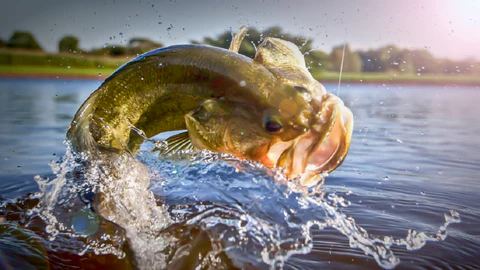
As the mercury rises across the United States, anglers must adapt to the physiological changes that dictate summer fish behavior. From the sprawling reservoirs of the TVA system to the glacial lakes of the Upper Midwest, extreme heat forces species like largemouth bass, walleye, and trout into specific thermal refuges. Understanding how water temperature and dissolved oxygen levels interact is the key to transitioning from a frustrating day on the water to a successful outing during the dog days of July and August.
Thermal Stress and Metabolic Shifts
Temperatures exceeding 80 degrees Fahrenheit significantly impact the metabolic rate of freshwater species. For the Micropterus salmoides, or largemouth bass, higher water temperatures initially spark more frequent feeding, but once the heat reaches a critical threshold, the fish enter a lethargic state to conserve energy. In deep-water impoundments like Lake Guntersville in Alabama, bass often retreat to the 'ledges'—underwater river channel breaks—where they can sit in 15 to 25 feet of water. These areas offer slightly cooler temperatures and proximity to moving current, which carries baitfish like gizzard shad directly to waiting predators.
Anglers must also account for dissolved oxygen levels, which drop as water temperature increases. Shallow, stagnant water often becomes hypoxic, forcing fish to move toward aerated zones. In major river systems like the Ohio or Mississippi, this means targeting the tailwaters of dams or the heads of wing dams where the turbulent water is naturally infused with oxygen. Even a two-degree difference in water temperature or a slight increase in flow can be the catalyst for a feeding window, making it vital to monitor your sonar's surface temperature gauge and look for moving water.
Navigating the Thermocline Strategy
One of the most critical concepts for summer fishing is the thermocline, a transition layer between the warm surface water (epilimnion) and the cold, deep water (hypolimnion). In lakes like Lake Lanier in Georgia, the thermocline typically establishes itself by mid-summer. Below this line, the water may be cool, but it often lacks sufficient oxygen to support sport fish like spotted bass or striped bass. Expert anglers use their electronics to identify this layer, which often appears as a faint horizontal line of 'interference' or a concentrated band of baitfish on the screen.
Fishing too deep is a common mistake; if you drop your lure below the thermocline, you are fishing in 'dead water.' For summer bass tactics, positioning a 3/4-ounce football jig or a deep-diving crankbait like a Strike King 6XD just above this transition zone is a high-percentage strategy. This depth allows fish to remain in the coolest water possible while still having access to oxygen. In the Great Lakes, walleye often suspend in these thermal bands, requiring precision trolling with line-counter reels and snap weights to keep the lure in the strike zone.
Vegetation and Current as Cooling Agents
In smaller lakes or shallower systems where a deep thermocline doesn't exist, vegetation becomes the primary refuge. Thick mats of Hydrilla or Milfoil serve as 'refrigerators' for bass and northern pike. Through photosynthesis, these plants release oxygen directly into the water, and the dense canopy provides shade that can keep the water underneath several degrees cooler than the surrounding surface. In Florida's Lake Okeechobee, 'punching' these thick mats with a 1.5-ounce tungsten weight and a beaver-style plastic bait is a legendary technique for reaching big bass hiding in the shade.
Current is another vital factor in summer fish behavior. In the heat of the day, current acts as a cooling agent and an oxygenator. In the Susquehanna River of Pennsylvania, smallmouth bass will congregate in the 'bubble line' or the fastest chutes between rock piles. When the water gets skinny and hot, these fish need the high-flow areas to breathe and feed efficiently. Using a 1/8-ounce hair jig or a small swimbait on a 6-pound fluorocarbon line allows for a natural presentation in these high-visibility, high-flow environments.
The Role of Photoperiod and Night Activity
The sweltering afternoon sun often shuts down the bite, making 'low-light' windows the most productive times for summer fish behavior. During dawn and dusk, species like muskellunge or trophy largemouths move from their deep-water haunts into the shallows to hunt. This is the optimal time for topwater lures. Using a Heddon Zara Spook or a Whopper Plopper over submerged grass or along dock lines can trigger explosive strikes. The cooler surface temps during these hours encourage baitfish movement, which in turn activates the larger predators.
Night fishing is another professional-grade tactic during the peak of summer. In the clear waters of Table Rock Lake in Missouri, night fishing for bass with large, dark-colored 'Colorado blade' spinnerbaits is highly effective. The dark profile of the lure against the moonlight makes it easier for fish to track. Furthermore, the lack of boat traffic and the substantial drop in air temperature make the environment more favorable for both the fish and the angler. Many state records for species like walleye and brown trout are broken during these midnight hours when the biggest fish feel safest.
Adjusting Gear and Presentation for Hot Water
Finally, gear selection must be adjusted for the rigors of summer fishing. High water clarity, often caused by lack of rain and increased weed growth, means fish are more line-shy. Transitioning to thinner, more transparent lines like Seaguar InvizX fluorocarbon can increase hook-up rates. In the clear mountain streams of the Rockies, trout anglers must drop to 6X or 7X tippet to avoid spooking wild rainbows and browns during the low-water periods of August. The combination of high heat and low water makes fish extremely wary of any unnatural presence.
Lure speed also plays a role in your summer tactics. While fish are generally active, the high heat can make them selective. A 'reaction strike' is often necessary to trigger a bite from a neutral fish. Ripping a lipless crankbait through grass or burning a spinnerbait just below the surface can force a predatory response before the fish has time to inspect the lure. Conversely, if the bite is extremely tough, slowing down with a 'dead-sticked' Senko or a tiny drop-shot rig like a Roboworm on 8-pound test can entice those fish that are hovering in a metabolic 'slump' due to the heat.
Frequently asked questions
How does high water temperature affect fish location?
Fish seek cooler, oxygen-rich water during summer extremes. In deep reservoirs, they often cluster near the thermocline. In rivers, they position near spring seeps or heavy current that aerates the water. Targeting depth, heavy shade, or peak oxygen zones is essential for success.
What is the thermocline and why does it matter?
The thermocline is a distinct layer in a body of water where temperature changes rapidly with depth. Below this layer, oxygen levels typically drop too low for most game fish. Use electronics to spot the 'clutter' line, and fish just above it for the highest concentrations.
What are the best lures for hot weather fishing?
For deep-summer bass, use heavy jigs or Texas-rigged plastic worms like the Zoom Ol' Monster. For sunfish or trout in streams, spinners like the Mepps Aglia or drifted live bait work well. Topwater lures like the Heddon Zara Spook are effective during low-light dawn and dusk.
When is the best time of day to fish in the summer?
Low light periods—dawn and dusk—are the most productive because surface temperatures are slightly cooler and baitfish are active. However, night fishing is also highly effective for species like walleye or largemouth bass, as they move into the shallows to hunt under the cover of darkness.
Related articles
Spring Fishing Guide for the Southern United States
Pre-spawn through post-spawn windows in the South unfold fast. This week-by-week guide keeps you in the strike zone.
Alain Quiroga · Mar 15, 2026 · 5 min read
Fall Fishing Strategies for Bigger Catches
Fall fish gorge before winter. The angler who follows the bait wins.
Alain Quiroga · Dec 21, 2025 · 5 min read
Winter Fishing Secrets from Experienced Anglers
Cold water fishing demands patience and finesse. The reward: big fish and empty banks.
Alain Quiroga · Nov 9, 2025 · 5 min read