
Spring Fishing Guide for the Southern United States
Pre-spawn through post-spawn windows in the South unfold fast. This week-by-week guide keeps you in the strike zone.
By Alain Quiroga · March 15, 2026 · 5 min read
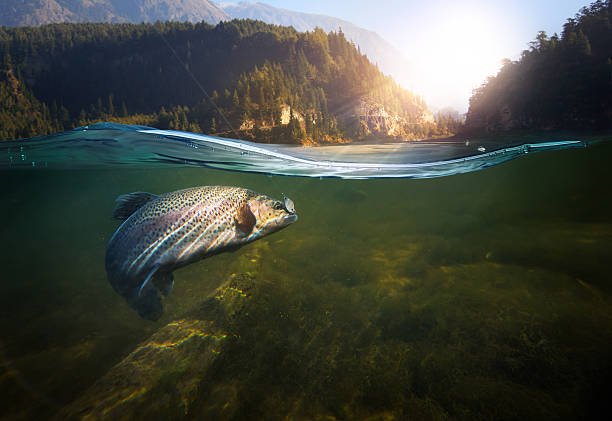
As the winter chill dissipates across the Sunbelt, the arrival of spring fishing south signals some of the most productive weeks of the year for American anglers. From the cypress-lined backwaters of Louisiana to the deep, rocky points of Lake Lanier, warming water temperatures trigger a biological imperative for multiple species to move shallow. This transition period requires a strategic understanding of thermoclines, migratory patterns, and specific lure selections to capitalize on the aggressive feeding windows that define the pre-spawn and spawning seasons.
Mastering the Pre-Spawn Bass Migration
The transition from winter to spring begins when water temperatures climb into the mid-50s, prompting largemouth bass to migrate from deep wintering holes toward secondary points and staging areas. In legendary fisheries like Texas's Lake Fork or Alabama's Lake Guntersville, this is the prime time for trophy hunting. Pre-spawn bass are at their heaviest weights of the year, aggressively feeding to build energy for the upcoming spawn. Professional anglers often target these fish using lipless crankbaits like the Bill Lewis Rat-L-Trap in red or crawfish patterns, crawling them through emerging vegetation or 'ripping' them out of hydrilla to trigger reactionary strikes.
During this stage, suspending jerkbaits such as the Megabass Vision 110 or Smithwick Rogue become essential tools. These lures allow for long pauses that entice lethargic fish in 58-degree water. Focus on 'staging' locations—areas just outside of shallow spawning flats, such as creek channel bends or the first deep-water docks inside a cove. In the South, these locations often feature hard bottoms or gravel, which hold heat more effectively than silt. Paying close attention to the wind is also critical; a warm south wind can push surface water into northern banks, creating localized areas that are several degrees warmer than the rest of the lake.
Strategy for the Southern Crappie Spawn
While bass garner much of the attention, the southern crappie spawn is a cultural phenomenon that fills coolers from the Santee Cooper lakes to Kentucky Lake. Crappie move into shallow water when temperatures hit the high 50s, seeking out submerged brush, fallen timber, or 'crappie beds' placed by local anglers. Specialized gear is a requirement for this finesse game; long-reaching rods like the 10-foot Lew’s Mr. Crappie Slab Shaker allow anglers to 'vertical jig' over cover without spooking fish in clear water. Using 1/16 or 1/32-ounce Bobby Garland Baby Shad jigs in 'Monkey Milk' or chartreuse colors is a proven method for these panfish.
Timing the crappie spawn often coincides with the blooming of dogwood trees, a natural indicator used by local experts for generations. Once the fish are locked onto nests in 2 to 5 feet of water, a simple slip-bobber rig paired with a live minnow becomes nearly irresistible. It is important to note that male crappie often take on a dark, almost black hue during the height of the spawn. In states like Mississippi, which boasts world-class crappie destinations like Grenada Lake, anglers regularly catch 'slabs' exceeding 2 to 3 pounds during this window, though strict creel and size limits are enforced to maintain these trophy populations.
Inland River Systems and Rocky Reservoirs
In the Appalachian foothills and the tailwaters of the Tennessee River, spring brings world-class opportunities for smallmouth and striped bass. Locations like Lake Cumberland or Dale Hollow Lake—home of the world record smallmouth—become hotspots as fish move onto rocky transition zones. Unlike largemouth, smallmouth bass often prefer 'chunk rock' banks and windy points where they can ambush baitfish. A finesse approach with a 'Ned Rig' or a 3.5-inch tube jig on a 1/4-ounce lead head is the standard for enticing these hard-fighting bronze fish in clear southern reservoirs.
Simultaneously, the spring stripe run provides some of the most explosive action in the South. In the Coosa and Chattahoochee river systems, landlocked striped bass and hybrids make their annual white-water migrations toward dams. Anglers targeting these bruisers should utilize heavy-duty spinning tackle and large swimbaits like the 5-inch Keitech Fat Swing Impact. Look for 'boils' where fish are busting bait on the surface during early morning or late evening. Because these fish use the current to hunt, positioning your boat in eddies or behind bridge pilings is key to staying in the strike zone without fighting the main flow.
Coastal Spring Transitions: Redfish and Trout
The Southern coastline offers a unique spring transition as species like Red Drum (Redfish) and Spotted Seatrout move out of their deep winter bayous into the expansive marsh flats. In the Louisiana Delta and the Florida Panhandle, the warming spring sun heats up dark mud bottoms, attracting crustaceans and baitfish. Sight-casting for 'tailing' reds becomes a primary tactic during high-tide cycles. For this, a gold Johnson Silver Minnow spoon or a weedless Z-Man Slim SwimZ on a 1/8-ounce jig head is a staple. The key is a stealthy approach; use a push pole or a quiet trolling motor to navigate the shallowest lagoons.
For those targeting Speckled Trout, spring is the season of the 'big girl'—large female trout moving into the shallows to feed before spawning. Topwater lures like the Heddon Super Spook Jr. or the MirrOlure MirrOdine are devastatingly effective when worked over oyster bars or seagrass meadows. Anglers should look for signs of life, such as diving birds or 'nervous' water caused by fleeing mullet. In Texas and Florida, where trout populations are carefully managed, many seasoned anglers practice catch-and-release for trout over 20 inches to ensure the health of the fishery for future spring seasons.
Adapting to Southern Weather and Water Changes
Spring fishing in the South is inextricably linked to the 'Bluebird Sky' phenomenon that follows spring cold fronts. These fronts can drop water temperatures by five degrees overnight, often pushing bass back into deeper cover or making them incredibly finicky. To combat this, successful southern anglers downsize their presentations. A 4-inch finesse worm on a Shaky Head or a 'Wacky-rigged' Yamamoto Senko becomes the go-to choice. These lures offer a slow, non-threatening fall that can entice a bite even when the barometric pressure is high and the sun is bright.
Another critical factor is the 'Mud Line' created by heavy spring rains. Many southern reservoirs are prone to significant runoff, which can turn clear water into a 'chocolate milk' consistency within hours. While many avoid these conditions, savvy anglers know that stained water allows fish to move shallower and feel more secure. In these conditions, vibration and sound are more important than visuals. Swap out translucent colors for 'Black and Blue' or 'Chartreuse', and choose lures with loud internal rattles or wide-thumping Colorado blades on spinnerbaits to help the fish locate your offering in limited visibility.
Frequently asked questions
When does the spring fishing peak occur in the South?
While Florida's Big Lagoon and Lake Toho start in early February, the peak movement across the South typically follows the 60-degree isotherm. In Georgia and Alabama, expect the heaviest activity from mid-March to mid-April, while the Ozarks and Tennessee River systems see their most productive action in late April and early May as water temperatures stabilize.
What line weight is best for southern spring fishing?
For pre-spawn bass, 10-12lb fluorocarbon is ideal for jerkbaits and cranking. However, when fishing heavy cover like Florida pads or Hydrilla, switch to 50lb braided line. For crappie, high-visibility 4-6lb monofilament is the industry standard, allowing anglers to detect subtle vertical 'thump' bites when jigging near submerged brush or bridge pilings.
What are the essential regulations for spring anglers?
Safety and legality are paramount; always possess a valid state fishing license for the water you are on. In the South, many lakes are controlled by the TVA or Army Corps of Engineers, meaning life jacket requirements often change near dams. Always check state-specific creel limits, as regulations for species like Red Drum or Striped Bass frequently change during the spring.
What water temperatures trigger the southern spawn?
Bass generally start moving toward shallow spawning flats when water temperatures hit 55-58°F. The actual spawning occurs most frequently between 62-68°F. Crappie follow a similar pattern but often start slightly earlier, seeking out brush in 4-8 feet of water once the thermometer consistently stays above 56°F. Monitoring these trends is vital for timing your trip.
Related articles
Understanding Fish Behavior During Summer Heat
Summer fish aren't gone — they've just moved to where the oxygen lives. Here's how to find and catch them.
Alain Quiroga · Mar 1, 2026 · 5 min read
Fall Fishing Strategies for Bigger Catches
Fall fish gorge before winter. The angler who follows the bait wins.
Alain Quiroga · Dec 21, 2025 · 5 min read
Winter Fishing Secrets from Experienced Anglers
Cold water fishing demands patience and finesse. The reward: big fish and empty banks.
Alain Quiroga · Nov 9, 2025 · 5 min read