Bank Fishing Techniques for Anglers Without Boats
Bank fishing rewards mobility, observation, and lure choice. Done right, it humbles plenty of boats.
By Alain Quiroga · November 16, 2025 · 5 min read
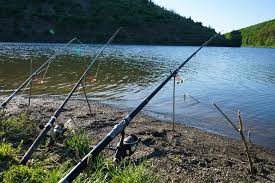
While many anglers believe a fiberglass hull is the only ticket to big fish, master bank anglers know that some of the largest species in North America congregate within a short cast of the shoreline. From the riprap banks of the Tennessee River to the marshy edges of the Florida Everglades, land-based fishing offers a tactical advantage in silence and accessibility. By understanding seasonal migrations and localized structural features, you can consistently outdraw boaters who often overlook the prime shallow-water habitats right under their noses.
Identifying High-Percentage Shoreline Structure
Successful bank fishing begins with identifying underwater topography that redirects current or provides cover. In major river systems like the Ohio or Missouri, look for 'scour holes' near wing dams or natural bends where the water carves out deeper pockets. Fish like flathead catfish and walleye use these depressions to sit out of the main current while waiting for baitfish to pass. During the spring, focus on northern shorelines of lakes; these areas receive the most direct sunlight, warming the water faster and attracting spawning baitfish and pre-spawn largemouth bass.
Current seams are another vital feature for the shorebound angler. Where fast water meets a slack pool, such as below a spillway or behind a large boulder, a physical line forms in the water. Predators like smallmouth bass and striped bass patrol these edges. When fishing the Susquehanna River, for example, casting a 1/8-ounce tube jig or a Ned rig into the fast water and letting it drift naturally into the seam often triggers an aggressive reaction strike from fish holding in the calmer water.
Tactical Gear and Lure Selection for Land-Based Success调整
Casting distance is a major constraint for bank anglers, making gear selection paramount. A long, 8-foot 6-inch steelhead-style rod can be a secret weapon for shore-bound bass or walleye anglers needing to reach distant humps. Using a thin-diameter braided line, such as 15-pound PowerPro, paired with a fluorocarbon leader, reduces wind resistance and line drag, allowing for casts that can exceed 50 or 60 yards. This is especially useful on large reservoirs like Lake Texoma where fish may be schooling just beyond the reach of standard gear.
For lure selection, versatility is key to avoid carrying an oversized tackle box. The 'search bait' is a bank angler's best friend. Lipless crankbaits like the Bill Lewis Rat-L-Trap or willow-leaf spinnerbaits allow you to cover water quickly to find active schools. If the bite slows, transitioning to a Texas-rigged Zoom Brush Hog or a simple 5-inch Senko allows you to pick apart thick brush or weeds where fish hide during high-sun periods. Always match your lure color to the local forage: 'sexy shad' or chrome for clear water, and black-and-blue or pumpkin for stained water.
Seasonal Patterns and Water Temperature Dynamics
Seasonality dictates where fish will hold relative to the bank. During the 'spawn' (typically when water temperatures hit 60-65 degrees Fahrenheit for bass), fish are at their most accessible point for bank anglers as they move into shallow flats to bed. In the heat of mid-summer, the 'dawn and dusk' windows are critical. As water temperatures rise, oxygen levels drop in the shallows, pushing fish deeper during the day. However, under the cover of darkness, large predators like muskie or big brown trout move into the shallows to feed on panfish or frogs.
Fall brings the 'shad bust' to many southern reservoirs. As temperatures drop, baitfish move into the backs of creeks, and game fish follow them in a feeding frenzy. This is the prime time for bank anglers on lakes like Lanier or Guntersville. Using a topwater walker like a Zara Spook near the water's edge can produce heart-stopping strikes. In winter, focus on steep 'bluff banks' where deep water is adjacent to the shore. Slowing down your presentation with a hair jig or a suspended jerkbait like a Megabass Vision 110 is essential when fish metabolism slows.
The Art of Stealth and Shoreline Approach
One of the biggest mistakes bank anglers make is 'sky-lining' themselves—standing on a high rock or dock where their movement is easily detected by fish. Light refraction in water allows fish to see upward and outward at an angle. By staying low and using shoreline vegetation or trees as a backdrop, you remain invisible. If you are fishing clear-water systems like the glacial lakes of Minnesota or the mountain streams of the Rockies, this stealth can be the difference between a skunked day and a trophy catch.
Fan casting is the most efficient way to dissect a piece of shoreline. Start by casting parallel to the bank on your left, then gradually move your casts outward at 15-degree intervals until you are casting parallel to the bank on your right. Often, fish are tucked inches from the shore under overhanging grass. If you walk straight to the water's edge and cast toward the middle, you may inadvertently spook the biggest fish of the day that was sitting right at your feet. Move slowly and quietly between spots to avoid sending pressure waves through the water.
Finding Productive Public Access Points
State and local parks often provide the most consistent access for bank anglers. In states like Pennsylvania or New York, the Department of Environmental Conservation (DEC) maintains public fishing rights (PFR) along many miles of stream banks that would otherwise be private. Utilizing apps like OnX Hunt or Fishbrain can help you identify public easements and avoid trespassing. Many urban areas have 'community fishing lakes' stocked with rainbow trout or channel catfish, providing excellent opportunities for those with limited travel time.
When fishing from public piers or bridges, such as the famous Skyway Pier in Florida or urban piers along the Great Lakes, remember that vertical structure is your target. Dropping a sabiki rig for bait or a heavy jig for predators directly alongside the pilings is often more effective than casting far away. Always check local signage for 'no fishing' zones or specific creel limits. For instance, many tailwaters below dams have restricted zones where fishing is prohibited for safety reasons due to turbulent water and sudden gate openings.
Frequently asked questions
What is the best rod and reel combo for general bank fishing?
A 7-foot medium-heavy fast-action spinning rod is the industry standard for bank fishing. This setup provides the necessary leverage to cast lures further into open water while maintaining enough backbone to horse fish away from shoreline obstructions like downed timber or riprap. Use a 2500 or 3000 series reel for balance.
How can I avoid spooking fish while fishing from the shore?
Stealth is critical because sound travels faster in water, and bank anglers are often close to the fish. Wear muted colors like olive or khaki to blend into the shoreline, and avoid standing directly on high points where your silhouette is visible against the sky. Vibrations from heavy footsteps can alert fish in shallow water before you cast.
What are the best shoreline structures to look for?
Productive spots include points of land that extend into the water, creek mouths where current delivers food, and bridge pilings which offer shade and structure. Areas with 'riprap' (man-made rock walls) are excellent because they hold heat and attract forage species like crawfish and shad that larger predators follow.
What legal considerations should bank anglers keep in mind?
Always carry a valid fishing license for the state where you are fishing. Be aware of private property boundaries to avoid trespassing charges. Many public parks have designated fishing hours, and specific bodies of water may have 'no-kill' zones or lure-only regulations, such as those found on protected trout streams in the Blue Ridge Mountains.
Related articles
Night Fishing Techniques That Actually Work
Big fish drop their guard after dark. Here's how to capitalize without losing tackle or your sanity.
Alain Quiroga · Feb 15, 2026 · 5 min read
How Weather Conditions Affect Fishing Success
Fronts, pressure swings, and wind direction predict the bite more reliably than any moon chart.
Alain Quiroga · Feb 8, 2026 · 6 min read
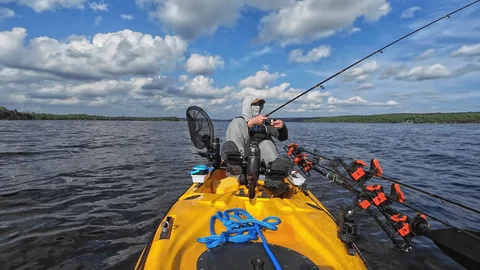
Fishing from Kayaks: Essential Tips and Safety Advice
A kayak unlocks water no boat can reach. These habits keep your gear in the boat and you out of trouble.
Alain Quiroga · Jan 19, 2026 · 5 min read