How Weather Conditions Affect Fishing Success
Fronts, pressure swings, and wind direction predict the bite more reliably than any moon chart.
By Alain Quiroga · February 8, 2026 · 6 min read
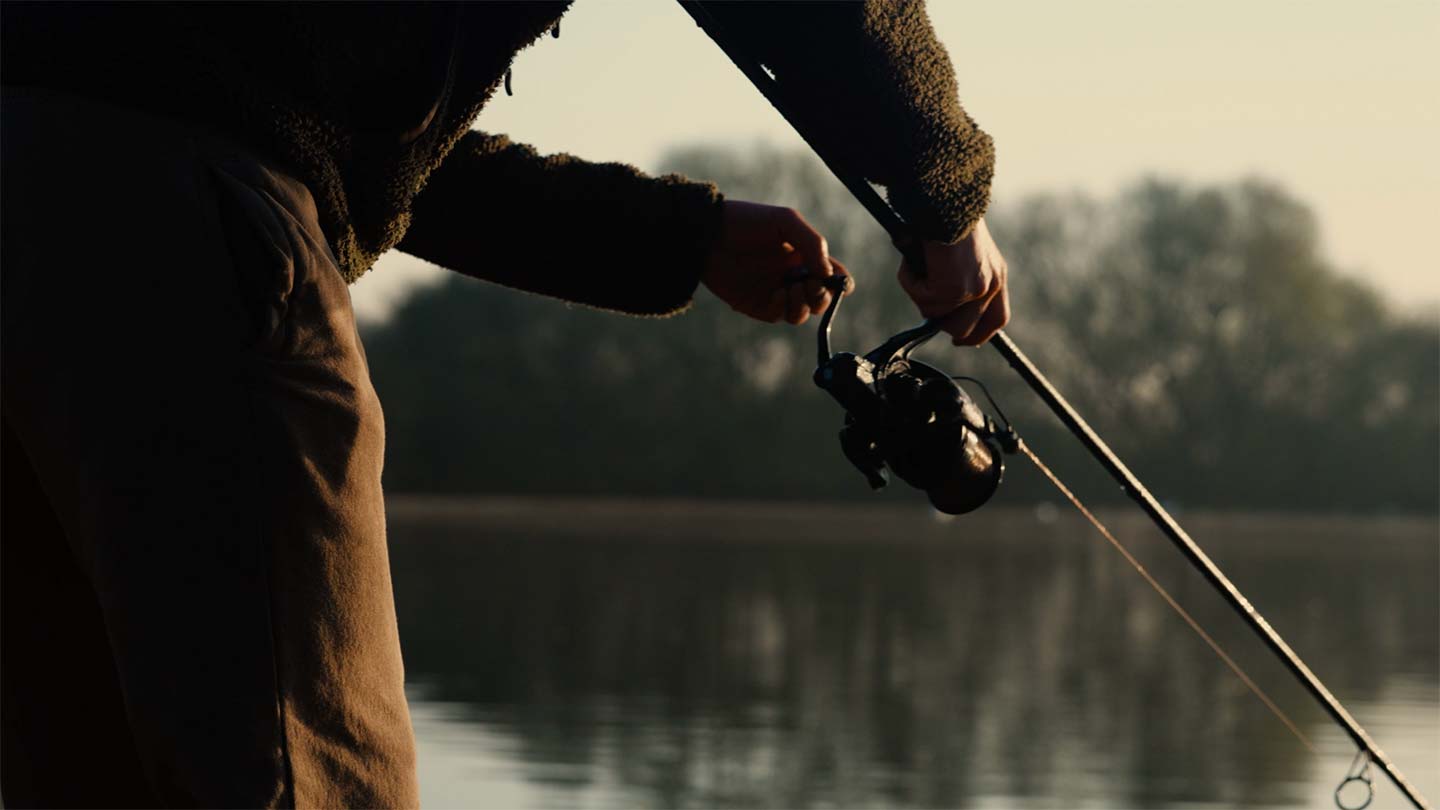
Successful fishing in the United States requires more than just high-quality gear; it demands a deep understanding of how atmospheric changes dictate aquatic behavior across our diverse watersheds. From the tidal rivers of the Atlantic coast to the deep glacial lakes of the Midwest, weather patterns like barometric pressure shifts and wind direction act as the primary biological triggers for feeding. Mastering these environmental variables allows anglers to predict fish movement with scientific precision rather than relying on mere luck.
The Science of Barometric Pressure and Feeding Windows
The transition from a stable high-pressure system to a falling barometer is arguably the most productive window for any American angler. Meteorologically, a falling barometer precedes incoming storm fronts, signaling a significant change in the environment. For predatory species like the Muskellunge in the Chippewa Flowage or the Northern Pike in Lake Champlain, this pressure drop acts as a dinner bell. Fish sense the change through their lateral lines and swim bladders, often moving from deep structures to shallow flats to feed aggressively before the storm hits. During these periods, fast-moving lures like the Mepps Agilia spinner or a Rapala Husky Jerk are highly effective as fish are less cautious and more prone to reactionary strikes.
Aggressive feeding behavior during a pressure drop is often linked to the impending period of instability that follows. Once a front passes and the barometer rises again, fish frequently experience a 'discomfort' period where they must adjust to the higher pressure. This is why the hours immediately preceding a thunderstorm often yield the highest catch rates for Walleye on the Mississippi River. However, safety is paramount; while the fishing might be excellent, the risk of lightning and sudden high winds on large bodies of water like the Great Lakes requires constant monitoring of NOAA weather radio and local radar apps.
Strategic Adjustments During Post-Frontal Cold Snaps
A cold front is defined by the arrival of a cooler, denser air mass that displaces warmer air, often resulting in drastic temperature drops and high-pressure 'bluebird' skies. In the Southern United States, particularly on reservoirs like Lake Guntersville or Sam Rayburn, a post-frontal day often leaves bass tucked deep into heavy cover like hydrilla or standing timber. The sudden drop in water temperature, even by a few degrees, can shock a fish's metabolism. During these times, the standard 'power fishing' approach with big swimbaits or fast crankbaits often fails. Instead, successful anglers switch to finesse tactics.
To catch post-frontal bass, precision becomes the priority. Utilizing a 1/8-ounce Ned rig with a Z-Man TRD or a drop-shot rig with a 6-inch Roboworm allows you to place the bait directly in front of the fish's nose. Because their metabolic rate slows in the cooler water, they are less likely to chase a moving target. You must slow your retrieve significantly, often leaving the bait motionless for several seconds. Focusing on the sunny side of dock pilings or submerged rock piles can also be productive, as these structures absorb solar heat and can be a degree or two warmer than the surrounding water.
Harnessing the Power of Wind and Water Movement
Wind is often viewed as a nuisance by boaters, but for the savvy angler, it is a powerful tool that concentrates life. Wind creates a 'food chain reaction' by pushing plankton toward the leeward shores, which attracts small baitfish like shad or alewives. In turn, larger predators like the Smallmouth Bass in Lake Mille Lacs or the Striped Bass in the Hudson River follow this food source. The turbulence also oxygenates the water and breaks up the surface reflection, making fish less wary of shadows or boat noise above. This 'wind-blown bank' effect is a classic pattern that produces consistently across the country.
When fishing high-wind conditions, lure selection should favor vibration and visibility. A heavy 1/2-ounce spinnerbait with tandem willow blades or a lipless crankbait like the Bill Lewis Rat-L-Trap allows for long casts into the wind and provides the thumping vibration necessary for fish to track the lure in murky, agitated water. On the Great Lakes, smallmouth anglers often use 'drifting' techniques, deploying a drift sock to slow the boat while dragging a tubes or hair jigs along the bottom of wind-swept reefs. The key is to position the boat upwind and cast toward the shore, allowing the lure to move naturally with the current.
The Impact of Cloud Cover on Light Penetration
Cloud cover and light penetration dictate where fish position themselves in the water column and how far they are willing to travel to strike a lure. On a bright, cloudless day at a clear-water destination like Lake Tahoe or the Finger Lakes, light can penetrate deep into the water, making fish highly skittish. Predatory species like Trout or Landlocked Salmon will often hold deep or stay tight to the bottom to avoid being spotted by overhead predators. In these conditions, long casts and light fluorocarbon leaders are essential to prevent 'lining' the fish and spooking them.
Conversely, overcast skies are the ideal time to fish topwater lures. Without the harsh overhead sun, species like Largemouth Bass feel more secure roaming the surface and shallow flats in search of a meal. On a cloudy morning in the Florida Everglades or the marshes of Louisiana, a Heddon Zara Spook or a buzzbait can be devastating. Darker lure colors like black, navy, or 'junebug' provide a stronger silhouette against a grey sky, making it easier for fish searching from below to target the bait. If the clouds break and the sun comes out, be prepared to immediately switch to a diving crankbait or a jig to follow the fish as they retreat to deeper shade.
Seasonal Patterns and Water Temperature Fluctuations
Seasons dictate the baseline water temperature, which governs the biological clock of every freshwater and saltwater species. In the early spring, as temperatures on the Tennessee River rise toward the 55-degree mark, bass and crappie begin their migration toward spawning flats. This is a critical time when a warm rain can trigger a massive move toward the shallows. A sudden influx of warm runoff into a creek arm can raise the local water temperature by 3-5 degrees, often enough to kickstart the bite in an otherwise stagnant lake. Use a quality thermometer or your fish finder's temp probe to locate these 'pockets' of warmth.
During the heat of mid-summer, such as on the Colorado River or Lake Mead, water temperatures can climb into the high 80s, forcing fish to seek the thermocline—a layer of water where temperature and oxygen levels are optimal. Fishing during the heat of the day becomes difficult, as fish metabolism peaks and they often dwell in deep, oxygen-rich 'holes.' Successful summer anglers often pivot to night fishing or focus on areas with significant current, such as tailraces below dams. In current, the water stays more oxygenated and slightly cooler, keeping species like Stripe Bass and Catfish active even when the midday air temperature exceeds 100 degrees.
Frequently asked questions
How does barometric pressure affect fish behavior?
Barometric pressure significantly impacts fish behavior due to its effect on their swim bladders. High pressure after a cold front often forces fish deeper and into cover, making them lethargic. Conversely, a falling barometer before a storm typically triggers a feeding frenzy, as fish sense the changing environment and move to shallower water to capitalize on easier hunting before conditions stabilize.
Is wind generally good or bad for fishing?
The 'muddy line' created by wind-driven waves on a windward shore acts as a natural ambush point. For example, on Lake Erie, wind pushes baitfish like emerald shiners against rocky structures. Walleye and smallmouth bass follow the bait, using the churned-up, low-visibility water to surprise prey. Anglers should use heavier jigs or crankbaits to maintain control in these turbulent zones.
Why is fishing often better on cloudy days?
Cloud cover reduces light penetration, which emboldens predatory fish that are otherwise light-sensitive. On a bright day in clear water like Lake Lanier, spotted bass may hold deep. On an overcast day, those same fish move up the water column or closer to the bank. This makes aggressive lures like topwaters, spinnerbaits, and chatterbaits much more effective than on sunny days.
What does the term 'bluebird sky' mean for anglers?
A bluebird sky refers to the clear, bright, high-pressure conditions that follow a cold front. For species like largemouth bass or crappie, this translates to 'lockjaw,' where fish retreat into the thickest vegetation or deepest timber. To find success, anglers must downsize their tackle, use natural colors, and slow down their presentation, often using finesse techniques like the Ned rig or drop-shotting.
Related articles
Night Fishing Techniques That Actually Work
Big fish drop their guard after dark. Here's how to capitalize without losing tackle or your sanity.
Alain Quiroga · Feb 15, 2026 · 5 min read
Fishing from Kayaks: Essential Tips and Safety Advice
A kayak unlocks water no boat can reach. These habits keep your gear in the boat and you out of trouble.
Alain Quiroga · Jan 19, 2026 · 5 min read
How to Read Water Like a Professional Angler
Reading water is the most underrated skill in fishing. Once you learn it, you'll catch fish anywhere.
Alain Quiroga · Dec 28, 2025 · 5 min read