
Night Fishing Techniques That Actually Work
Big fish drop their guard after dark. Here's how to capitalize without losing tackle or your sanity.
By Alain Quiroga · February 15, 2026 · 5 min read
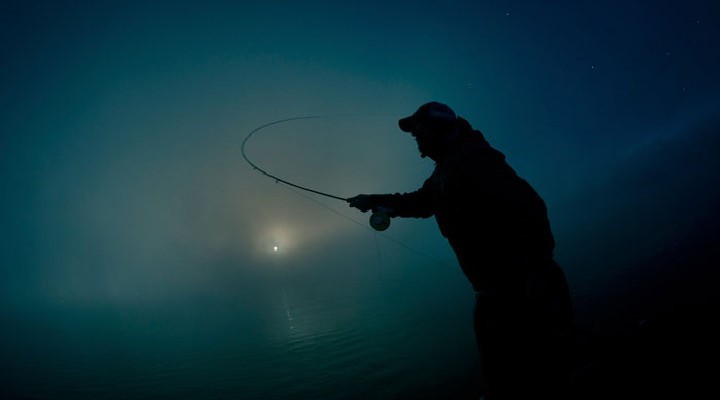
When the summer sun beats down on southern reservoirs like Lake Guntersville or Sam Rayburn, water temperatures often climb into the high 80s, driving trophy largemouth bass into a lethargic state. Night fishing offers a strategic advantage, as plummeting light levels pull these predators from deep-water ledges into the shallows to feed under the cover of darkness. By mastering specific nighttime presentations and understanding how fish rely on their lateral lines rather than sight, anglers can unlock a highly productive window that most daytime fishermen completely overlook.
Locating Productive Nighttime Structures
As the sun sets, big bass transition from deep offshore structure to shallow flats, secondary points, and riprap banks. In lakes like Lake of the Ozarks, the heavy daytime boat traffic subsides, allowing fish to move freely into areas they avoid during high-noon hours. Successful anglers focus on the 5-to-10-foot depth range where baitfish like gizzard shad gather. Because visibility is limited, you must rely on your electronics to find transition zones before the light fades. Targeting areas where deep water meets a shallow shelf is key, as bass use these 'highways' to move up and feed during the nocturnal cycle.
Temperature stability is another major factor in nighttime success. During the peak of July and August, the water temperature may only drop a few degrees at night, but the lack of solar radiation makes the shallows much more hospitable for active hunting. Look for 'light signatures' such as illuminated docks or marinas with green submersible lights. These lights attract swarms of insects and microorganisms, which in turn draw in baitfish, creating a concentrated food chain that keeps bass and crappie active throughout the night across the Tennessee River system and beyond.
The Science of Vibration and Silhouette
In the dark, a fish's lateral line becomes its primary hunting tool, detecting the minute vibrations and pressure waves of moving prey. This is why high-vibration lures like a large-bladed spinnerbait or a 'thumper' jig are essential. A single, oversized Colorado blade on a 1/2-ounce spinnerbait creates a distinct 'thump-thump' rhythm that bass can track from several feet away. For surface action, a black Jitterbug or a loud buzzbait like the Strike King Sugar Buzz creates the necessary surface disturbance to trigger explosive strikes from aggressive feeders in the shallows of the Florida Everglades or the California Delta.
Color selection is often counterintuitive to beginners. While bright colors work in sunlight, black, dark blue, and deep purple are the gold standard for night fishing. A dark lure creates a solid, high-contrast silhouette against the surface of the water when viewed from below against the moonlight. This makes it significantly easier for a bass to target the lure accurately. Avoid transparent or 'ghost' colors, as they lack the opacity needed to stand out in low-light environments. Stick to solid, opaque finishes to ensure your presentation has maximum visual presence throughout the water column.
Targeting Trophy Smallmouth After Dark
Fishing for smallmouth bass at night requires a different approach than chasing largemouths. In clear-water reservoirs like Lake Cumberland or Dale Hollow Lake—home of the world record smallmouth—night fishing is often the only way to catch trophy-class fish during the summer. Smallmouths are notoriously sight-oriented hunters, but they become highly active under a full moon. Slow-rolling a heavy hair jig or a dark-colored tube along rocky points and bluff walls can be devastatingly effective. The key is a slow, methodical retrieve that keeps the bait in contact with the bottom, mimicking a crawling crawfish.
Sensory awareness is heightened at night, and many smallmouth experts swear by scent-infused baits. Products like MegaStrike or Pro-Cure Crawfish Gel can provide that extra second of hold-time needed to set the hook when you can't see your line move. Since you cannot rely on a line-watch approach, high-sensitivity rods made of high-modulus carbon are vital. You must feel the 'heavy' sensation of a smallmouth picking up the bait. Many anglers use a 'black light' setup combined with fluorescent monofilament line, which glows bright blue under UV light, allowing for visual strike detection without spooking the fish.
Safety and Gear Management for the Dark
Safety and organization are the two most critical components of a successful night outing. A cluttered deck is a major hazard when visibility is near zero. Keep your tackle organized in specific bins and limit yourself to three or four pre-rigged rods to minimize the need for re-tying in the dark. A high-quality LED headlamp with a red-light mode is indispensable; the red light preserves your natural night vision while allowing you to safely unhook fish or tie knots. Brands like Black Diamond or Petzl offer reliable waterproof options that withstand the rigors of the lake environment.
Navigational safety cannot be overstated. Before heading out, ensure your bow and stern lights are functioning according to U.S. Coast Guard requirements. It is a best practice to idle at lower speeds, even if you are familiar with the lake, as floating debris or unlit kayakers can be impossible to see at high speeds. Use a GPS chartplotter to track your path out so you can follow the same 'trail' back to the boat ramp safely. Always notify someone on land of your float plan, including which creek arms you intend to fish and your expected return time.
Nocturnal Catfishing on Major River Systems
Night fishing isn't limited to bass; it is the premier time for targeting large channel cats and flatheads. In rivers like the Missouri or the Ohio, catfish move into shallower riffles and near-shore log jams to feed as the sun goes down. Using fresh, natural baits is the key to success. For flatheads, live bluegill or bullheads are preferred, as these predators hunt by sensing the vibrations of struggling prey. For channel catfish, fresh-cut shad or skipjack herring provides an oily scent trail that carries well in the current, drawing fish from downstream.
The rigging for nighttime catfishing should be heavy-duty. A Carolina rig with a 3-ounce bank sinker and an 8/0 circle hook is a standard setup that prevents the bait from drifting too far while ensuring a solid hookset in the corner of the fish's mouth. When a catfish strikes at night, the take is often violent. Utilizing rod holders with 'clicker' alarms on your reels allows you to sit back and wait for the audible signal of a run. This passive approach is effective and allows you to manage multiple lines while waiting for a trophy-sized fish to find your bait.
Frequently asked questions
What moon phase is best for night fishing?
The best phases are the three days leading up to and including the full moon, as well as the new moon phase. Full moon nights provide better visibility for both anglers and predators like smallmouth bass, while new moon nights force fish to rely more on their vibration-sensing lateral lines, often making noisy lures like buzzbaits more effective.
Is night fishing legal in every state?
Most states allow night fishing on public waters, but specific park docks or boat ramps may close at sunset. In states like Pennsylvania, night anglers must display a 360-degree white light when anchored and red/green lights when underway. Always check local Fish and Boat Commission regulations, as some trout-managed waters have strictly enforced curfew hours to prevent poaching.
Why is black considered the best lure color at night?
Black, dark blue, and deep purple are the most effective colors. Against the moonlight, a dark lure creates a crisp, solid silhouette that is easier for a fish to track from below. Translucent or light colors disappear in the dark water column, whereas a solid black Colorado-blade spinnerbait remains highly visible and creates significant displacement.
What gear setup is recommended for night bass fishing?
A 7-foot medium-heavy baitcasting rod paired with 15- to 20-pound fluorocarbon or 30-pound braided line is ideal. Braided line offers superior sensitivity for feeling subtle takes in total darkness, while the medium-heavy backbone ensures you can move a heavy bass out of thick cover like hydrilla or submerged timber without seeing the exact location of the snag.
Related articles
How Weather Conditions Affect Fishing Success
Fronts, pressure swings, and wind direction predict the bite more reliably than any moon chart.
Alain Quiroga · Feb 8, 2026 · 6 min read
Fishing from Kayaks: Essential Tips and Safety Advice
A kayak unlocks water no boat can reach. These habits keep your gear in the boat and you out of trouble.
Alain Quiroga · Jan 19, 2026 · 5 min read
How to Read Water Like a Professional Angler
Reading water is the most underrated skill in fishing. Once you learn it, you'll catch fish anywhere.
Alain Quiroga · Dec 28, 2025 · 5 min read