
How to Read Water Like a Professional Angler
Reading water is the most underrated skill in fishing. Once you learn it, you'll catch fish anywhere.
By Alain Quiroga · December 28, 2025 · 5 min read
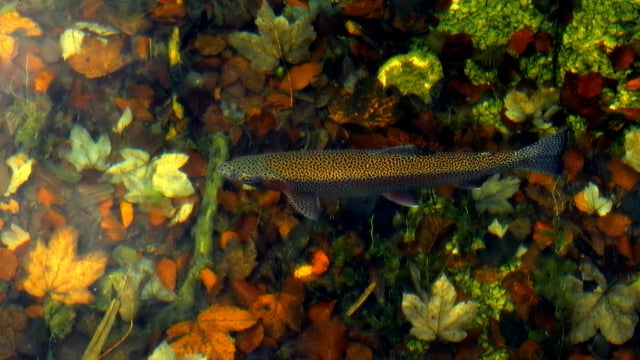
Mastering the art of how to read water fishing distinguishes the seasonal amateur from the consistently successful professional. Whether you are scanning the surface of a deep Southern reservoir or wading through a tumbling mountain stream, identifying high-percentage zones is a matter of understanding biological needs and environmental physics. By analyzing the intersection of current, structure, and water chemistry, you can transition from random casting to precision targeting across any American waterway.
Deciphering River Currents and Seams
In river systems like the Upper Mississippi or Pennsylvania’s Susquehanna, understanding current flow is the foundation of reading water. Fish are energetic opportunists; they seek areas where they can expend minimal effort while maximizing calorie intake. Look for 'seams,' which are the visible lines on the surface where fast water meets slow water. Predatory species like Smallmouth Bass often sit on the slower side of the seam, darting into the faster current to ambush disoriented baitfish or insects. Identifying these subtle transitions allows you to place a 1/4-ounce tube jig or a Heddon Super Spook Jr. exactly where the fish are staged.
Boulders and fallen timber create 'current breaks,' which are prime real estate for resting fish. Behind a large rock, the water creates a pocket of slack current known as an eddy. In the cold waters of the Deschutes River in Oregon, Steelhead will often hold in the 'tail-out' of a pool, where the water begins to accelerate before heading into the next set of rapids. Understanding the hydraulics of how water moves around solid objects helps you predict where fish will be stationed regardless of the river's overall depth or clarity.
Identifying Underwater Structure in Reservoirs
In large impoundments like Lake Guntersville or Sam Rayburn Reservoir, structure is the key to finding schools of Florida-strain Largemouth Bass. Structure refers to the topographical features of the lake bed, such as submerged creek channels, points, and humps. Using a topographical map or high-quality GPS units like a Humminbird Solix, identify where a shallow flat drops off abruptly into deeper water. These 'breaks' are highways for fish moving between feeding and resting areas. During the summer, bass typically move to the outside bends of these submerged channels where the water is deeper and cooler.
Points are underwater peninsulas that extend from the shoreline into deeper water. They act as natural funnels for baitfish like Threadfin Shad. A professional angler will look for 'secondary points' inside a cove during the spring spawning season, while targeting the 'main lake points' during the summer and winter. When fishing a point, always position your boat in deep water and cast toward the shallow crest, retrieving your lure—such as a Strike King 6XD crankbait—down the slope to mimic a fleeing forage fish crossing a depth change.
Navigating Cover and Vegetation Patterns
While structure is the terrain, cover is the vegetation or debris that provides protection and ambush sites. In the clear waters of Lake Washington, docks and bridge pilings provide essential shade, which acts as a form of overhead cover. On sunny days, fish are predictably pinned to the darkest part of the shade. Using a 1/2-ounce jig with a 15-pound Seaguar InvizX fluorocarbon line allows you to skip lures deep under these structures to reach fish that haven't seen a lure all day. Environmental factors like wind can push plankton against a specific bank, drawing in baitfish and, subsequently, predators.
Vegetation, such as Milfoil, Hydrilla, and Lily Pads, is a powerhouse for oxygen and forage. In the Florida Everglades, reading 'holes' in a grass mat is vital. These gaps allow sunlight to penetrate, creating a localized ecosystem. When the water temperature rises above 80°F, look for 'matted' vegetation; the thick canopy on top provides a cooler environment underneath. Punching a heavy 1.5-ounce tungsten weight with a creature bait through these mats is a localized technique that relies entirely on reading the density and health of the aquatic plants.
The Impact of Water Clarity and Light
Water clarity, often measured with a Secchi disk by biologists, dictates lure selection and fish depth. In stained or 'muddy' water, such as the Santee Cooper lakes after a heavy rain, fish rely on their lateral lines to detect vibration. This is the time to use lures with high displacement, like a Colorado-blade spinnerbait or a wide-wobbling Jackall Bling crankbait. In these conditions, fish tend to hold much shallower and tighter to cover because their visibility is limited to just a few inches. Successful anglers will focus on the first 3 feet of water surrounding visible stumps or laydowns.
Conversely, in the ultra-clear waters of Lake Tahoe or the Great Lakes, fish can see lures from great distances and are often 'spooky.' To read this water effectively, look for deep structure in the 20 to 60-foot range. Light penetration reaches deeper in clear water, allowing aquatic plants to grow at greater depths. Use natural colors like green pumpkin or translucent shades and downsize your line to 6-pound or 8-pound test to avoid detection. Long casts are essential here to prevent the boat’s shadow or transducer pinging from alerting the fish to your presence.
Reading Surface Cues and Wildlife Indicators
Learning how to read water fishing also involves observing surface activity and bird behavior. In the Chesapeake Bay or off the coast of Montauk, 'blitzing' fish are often revealed by diving gulls and terns. These birds are feeding on the scraps of baitfish pushed to the surface by Striped Bass or Bluefish. Even in freshwater, watching for a 'shimmer' on the surface can indicate a school of shad being pressured from below. A sudden break in the water’s surface, or 'boiling,' is a definitive sign that active feeding is occurring, requiring an immediate cast with a topwater popper or a walking bait.
The wind also creates surface 'rips' or 'lines' that indicate underwater current movements or depth changes. On a flat-calm day, the slightest ripple can reveal a submerged rock pile just inches below the surface. Professional anglers also look for 'slick' spots on the water, which can sometimes be caused by the oils released from a school of baitfish being decimated by predators below. Observing these subtle surface cues allows you to find 'active' fish rather than just 'holding' fish, significantly increasing your catch rate during a short window of time.
Frequently asked questions
What is the difference between structure and cover?
Structure refers to the physical bottom layout of a lake, such as points, drop-offs, and humps. Cover consists of objects on top of that structure, like submerged timber, lily pads, or boat docks. Both are essential, but big Smallmouth Bass in the Great Lakes often prioritize rock-based structure over shallow cover during the summer months.
How does water temperature affect where fish hold?
Optimal temperatures vary by species. For Largemouth Bass, active feeding typically peaks between 65°F and 75°F. On Lake Okeechobee, winter temperatures dropping below 55°F can lock fish into heavy grass mats, while cold-water species like Rainbow Trout in the Madison River prefer oxygen-rich waters ranging from 45°F to 60°F.
How do you find fish in deep, clear lakes?
In deep, clear reservoirs like Lake Lanier, professional anglers rely on side-scanning sonar to find brush piles in 20-30 feet of water. Using a 3/8-ounce drop shot rig with 6-pound fluorocarbon allows you to present a finesse worm directly to fish holding on specific contour lines identified on your topographical map.
What is an eddy and why is it important in river fishing?
An eddy is a section of water where the current flows upstream or remains still, usually behind a rock or log. These areas provide a resting spot for fish like Walleye or Smallmouth Bass to wait for prey to wash by in the main current. Always cast your lure upstream of the eddy and let it drift naturally into the slack water.
Related articles
Night Fishing Techniques That Actually Work
Big fish drop their guard after dark. Here's how to capitalize without losing tackle or your sanity.
Alain Quiroga · Feb 15, 2026 · 5 min read
How Weather Conditions Affect Fishing Success
Fronts, pressure swings, and wind direction predict the bite more reliably than any moon chart.
Alain Quiroga · Feb 8, 2026 · 6 min read
Fishing from Kayaks: Essential Tips and Safety Advice
A kayak unlocks water no boat can reach. These habits keep your gear in the boat and you out of trouble.
Alain Quiroga · Jan 19, 2026 · 5 min read