The Rise of Urban Fishing in America
City water is fishier than you think. Here's why urban fishing is booming and how to get in on it.
By Alain Quiroga · October 12, 2025 · 5 min read
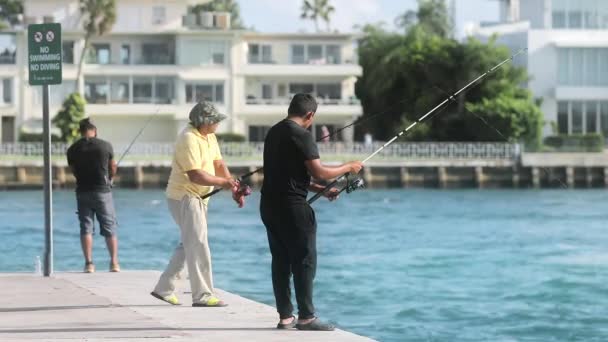
Urban fishing in America is undergoing a massive resurgence as anglers rediscover the high-quality fisheries hidden within metropolitan sprawl. From the concrete banks of the Chicago River to the carefully managed ponds of New York’s Central Park, city fishing offers a unique blend of accessibility and surprising biodiversity. This modern movement proves that you don't need a boat or a long commute to hook into trophy-sized largemouth bass, aggressive northern pike, or hard-fighting channel catfish right in the heart of the city.
The Geography of Modern City Angling
The expansion of urban fishing is largely driven by state-run 'Community Fishing' programs, such as those in Arizona, Texas, and Missouri. For example, the Arizona Game and Fish Department stocks over 30 urban lakes with rainbow trout in the winter and channel catfish throughout the summer. These locations, like Papago Park in Phoenix, are designed for high-density angling, featuring improved shoreline access and fishing piers. In many cases, these waters are more heavily managed than remote lakes, providing a consistent bite for local residents who may only have an hour to fish after work.
Major river systems that flow through industrial corridors have also seen a dramatic water quality recovery. The Schuylkill River in Philadelphia and the Cuyahoga River in Cleveland are no longer symbols of pollution but are now thriving homes for smallmouth bass and flathead catfish. The Clean Water Act has transformed these waterways into corridors where wild populations can flourish alongside skyscrapers. Anglers are finding that these rivers offer diverse structures, including bridge pilings, old bridge abutments, and spillways, which serve as perfect ambush points for predatory fish throughout the changing seasons.
Mastering the Concrete Shoreline
Targeting fish in concrete-heavy environments requires a shift in tactics compared to natural lakes. Urban bass often hold tight to man-made structures like submerged shopping carts, rip-rap banks, and floating docks. A finesse approach is frequently required to entice pressured fish. Using a 6-foot-6 medium-light spinning rod paired with 8-pound fluorocarbon line allows for the subtle presentation of Ned rigs or drop shots. Brands like Z-Man and Yamamoto produce specialized soft plastics that excel in these environments, where a realistic profile and slow fall rate can trigger strikes from seasoned city bass.
In the mid-Atlantic and Northeast, urban trout programs provide an exciting winter diversion. Many cities utilize 'put-and-take' stocking strategies, placing hundreds of fish in small park ponds. For these stocked trout, a high-visibility line and Berkley PowerBait are staples, but more experienced anglers often find success using small inline spinners like a 1/8-ounce Mepps Aglia or a Panther Martin. These lures allow for quick coverage of the water column to locate active schools. As water temperatures hover between 40 and 55 degrees Fahrenheit, a slow but steady retrieve is usually the most effective method for these cold-water species.
Success Stories in Major Metro Areas
The Illinois Department of Natural Resources has been instrumental in promoting fishing in the Chicago area, particularly along the downtown riverwalk and Lake Michigan harbors. Anglers in the Windy City frequently target yellow perch and 'coho' salmon from the shorelines of Montrose and Belmont Harbors. During the fall salmon run, heavy spoons like the Acme Little Cleo or Luhr-Jensen Krocodile are favorites for casting into the deep, cold harbor waters. This urban fishery is a prime example of how deep-water access in a city can provide opportunities for species typically requiring expensive offshore boats.
On the West Coast, the California Department of Fish and Wildlife’s 'Fishing in the City' program targets metropolitan areas like Los Angeles and San Francisco. This initiative focuses on teaching the next generation of anglers while maintaining healthy stocks of bluegill and largemouth bass. In Lake Balboa Park, anglers often use lightweight 4-pound test setups to target panfish that congregate around the aeration systems. These systems maintain high oxygen levels, making them hotspots for activity during the heat of a Southern California summer when ambient temperatures can stress the resident fish populations.
Conservation and Management in the City
Managing urban fisheries involves unique challenges, such as heavy fishing pressure and habitat degradation. State agencies often implement 'No Harvest' or 'Catch and Release Only' regulations for specific city ponds to preserve the population. In the Texas 'Neighborhood Fishin’' program, parks like South Lakes in Denton are subject to frequent patrolling and specific bag limits to ensure everyone has a fair chance at catching a daily limit of catfish. Understanding these localized rules is crucial, as they can differ significantly from statewide regulations found in larger reservoirs or wild rivers.
Habitat restoration is another critical component of the urban fishing boom. Many cities are installing 'fish hotels'—man-made structures designed to provide cover for juvenile fish and spawning grounds for adults. These efforts, combined with shoreline stabilization projects, help mitigate the impact of urban runoff and erosion. Anglers benefit from these improvements, as they create predictable locations where fish congregate. By participating in local 'clean-up' days and reporting illegal poaching, city anglers play a direct role in maintaining the health of these vital green spaces within the urban canopy.
Essential Gear for the Metropolitan Angler
The rise of the urban angler has created a demand for versatile, portable gear that doesn't compromise on performance. Many suburban and city fishermen are moving away from traditional one-piece rods in favor of two-piece or multi-piece travel rods that can fit in a car trunk or a backpack. The St. Croix Triumph Travel series is a popular choice among serious city anglers, offering high-modulus graphite blanks that provide the sensitivity needed for light bites. Combined with a 2500-size Shimano spinning reel, this setup provides a balanced tool for everything from park pond bass to river-run walleye.
Apparel has also evolved for the urban environment, with anglers opting for technical clothing that looks at home on city streets. Lightweight, moisture-wicking shirts with UV protection from brands like Huk or Simms are essential for long days on sun-reflective concrete. Footwear is equally important; non-slip soles are required for navigating mossy canal edges or wet boardwalks. As urban fishing continues to grow, the industry is increasingly focused on the 'commuter angler' who needs high-performance gear that can transition seamlessly from the office to the water’s edge in a matter of minutes.
Frequently asked questions
Do I need a special license to fish in city parks?
License requirements for city fishing are identical to rural waters. In most states, any angler over 16 must possess a valid state-issued freshwater fishing license. High-traffic areas are frequently patrolled by fish and wildlife officers, so it is essential to keep a digital or paper copy of your permit while on the water.
Is it safe to eat fish caught in urban environments?
While many urban waters have improved significantly due to the Clean Water Act, it is vital to check seasonal consumption advisories. Many city ponds contain elevated levels of PCBs or mercury. Most urban anglers practice strict catch-and-release, but some stocked trout or catfish programs are managed specifically for harvest.
What is the best gear for an urban angler on the move?
Compact gear is the standard for city angling. Multi-piece travel rods or telescopic setups from brands like Daiwa or KastKing allow for easy transport on subways or buses. A small chest pack and a collapsible net are also valuable for navigating concrete embankments and crowded walkways where bulky gear would be a hindrance.
How does water temperature differ in city environments?
Urban ecosystems are heavily influenced by the 'urban heat island' effect. City concrete and asphalt retain heat, meaning ponds and canals often warm up faster in the spring than rural lakes. This leads to earlier spawning cycles for bass and bluegill, but can also lead to oxygen depletion in mid-summer.
Related articles
Night Fishing Techniques That Actually Work
Big fish drop their guard after dark. Here's how to capitalize without losing tackle or your sanity.
Alain Quiroga · Feb 15, 2026 · 5 min read
How Weather Conditions Affect Fishing Success
Fronts, pressure swings, and wind direction predict the bite more reliably than any moon chart.
Alain Quiroga · Feb 8, 2026 · 6 min read
Fishing from Kayaks: Essential Tips and Safety Advice
A kayak unlocks water no boat can reach. These habits keep your gear in the boat and you out of trouble.
Alain Quiroga · Jan 19, 2026 · 5 min read